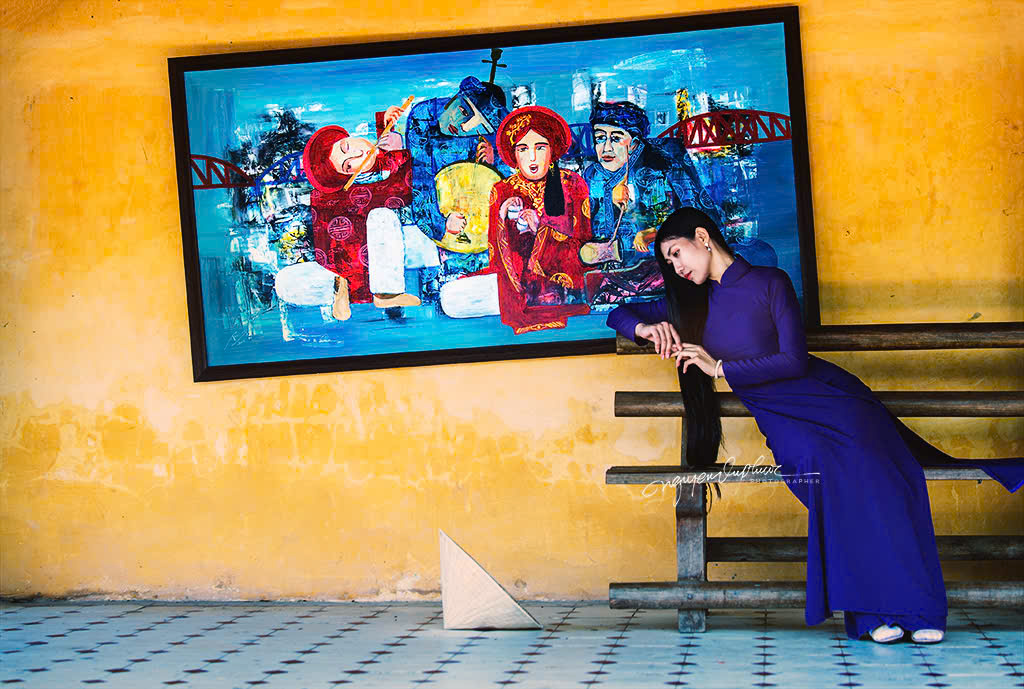
When most people think of Vietnamese women, certain images immediately come to mind. You might picture women with long, flowing black hair, wearing the elegant áo dài, gently balancing a nón lá, the conical hat, on their heads. These timeless images appear on postcards, souvenirs, and in stories passed down through generations. They evoke grace, gentleness, and a delicate beauty that is uniquely Vietnamese.
These images reflect an important part of Vietnam’s cultural identity. The woman in the áo dài, with her serene expression and gentle movements, has become a symbol of Vietnamese elegance both at home and abroad. In markets, festivals, and popular media, this representation continues to shape how Vietnamese women are seen around the world.


Seeing the Bigger Picture: A Closer Look at Vietnamese Women
If you have the chance to visit Vietnam or observe its people closely, you quickly realize that the story of Vietnamese women is far richer and more diverse than this familiar image suggests. The iconic representation is only a part of a much larger and more vibrant picture.
Vietnamese women today reflect the country’s complex history and cultural diversity. Their beauty and identity are shaped by many factors including region, ethnicity, tradition, and modern influences. But beyond their appearance, it is their resilience, strength, and adaptability that truly define them.
Tradition and Modern Life: The Living Heritage of Vietnamese Women
Vietnamese women continue to celebrate their heritage through traditional dress and cultural practices, especially during important events and national holidays. The áo dài remains a cherished traditional costume, worn proudly in weddings, festivals, and ceremonies. It symbolizes elegance and national pride.
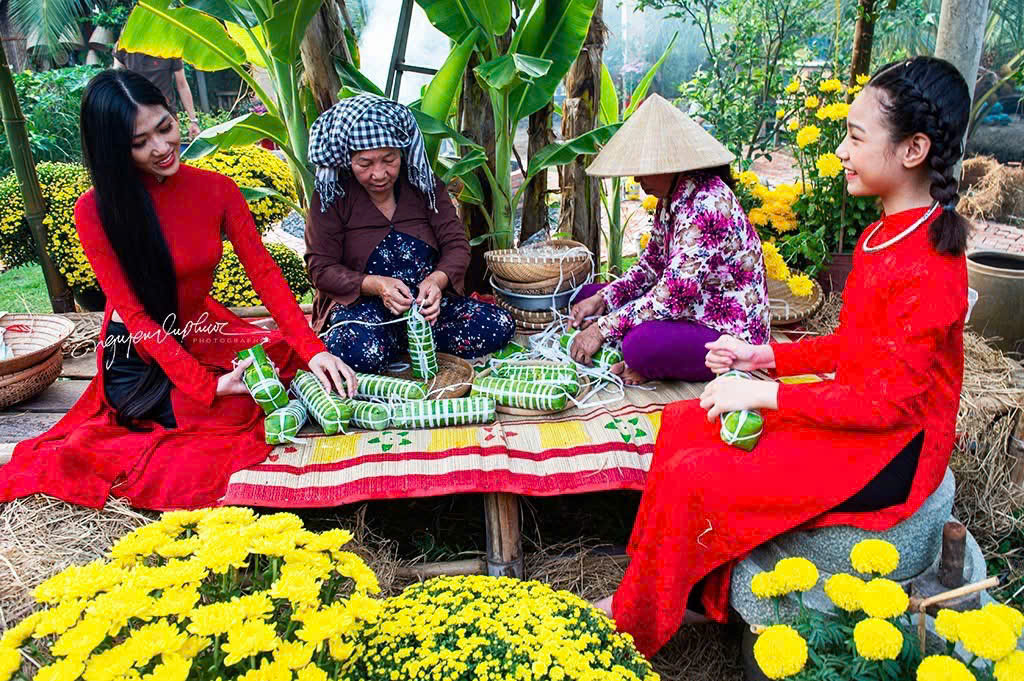
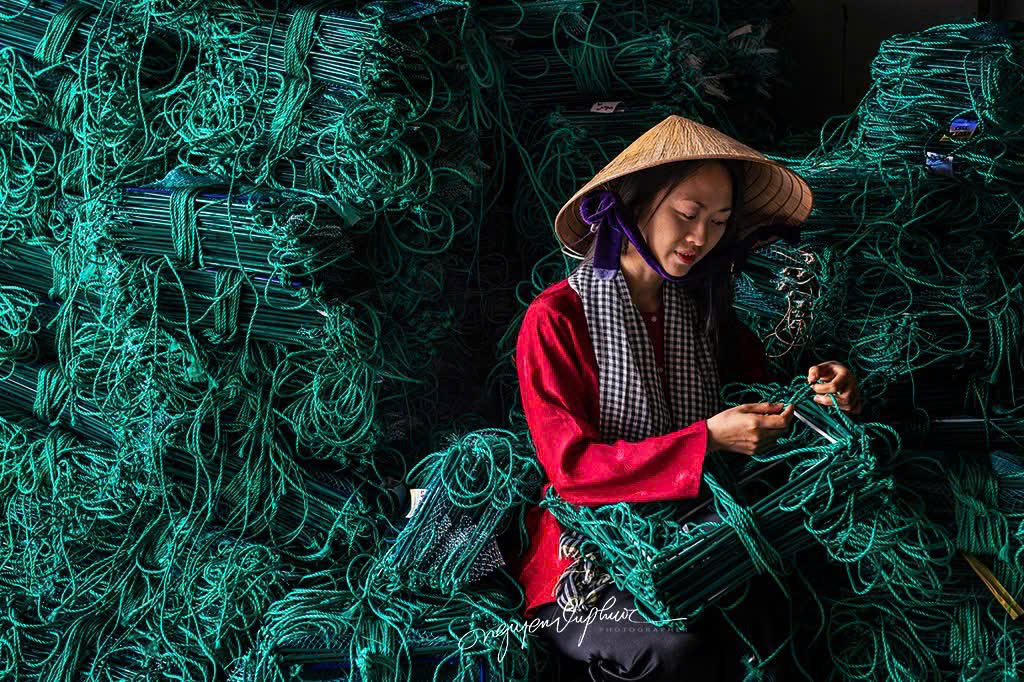
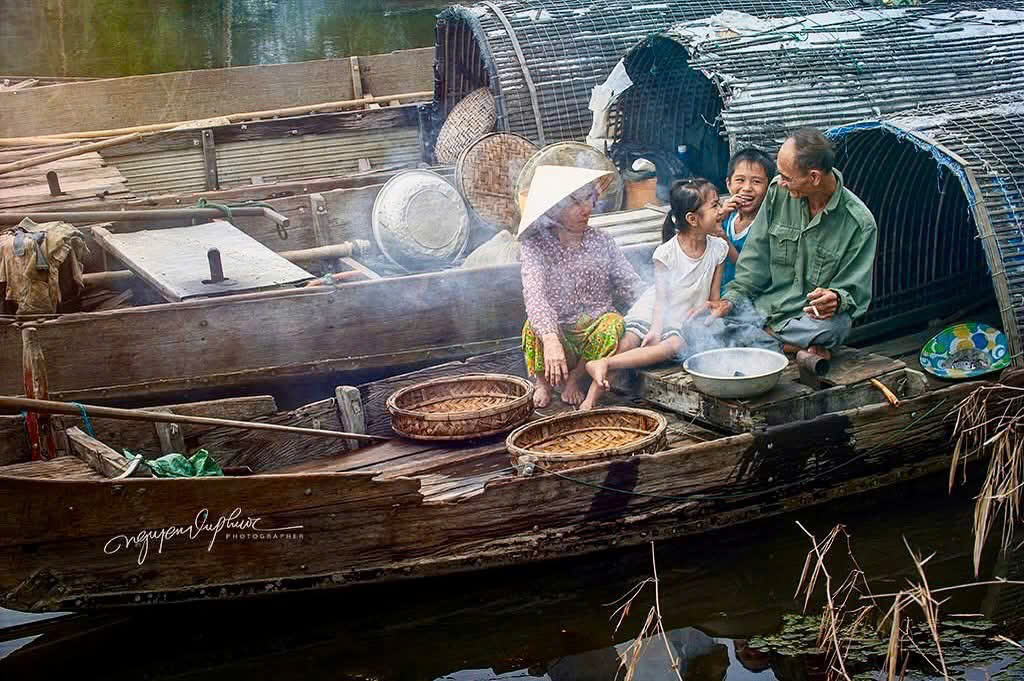
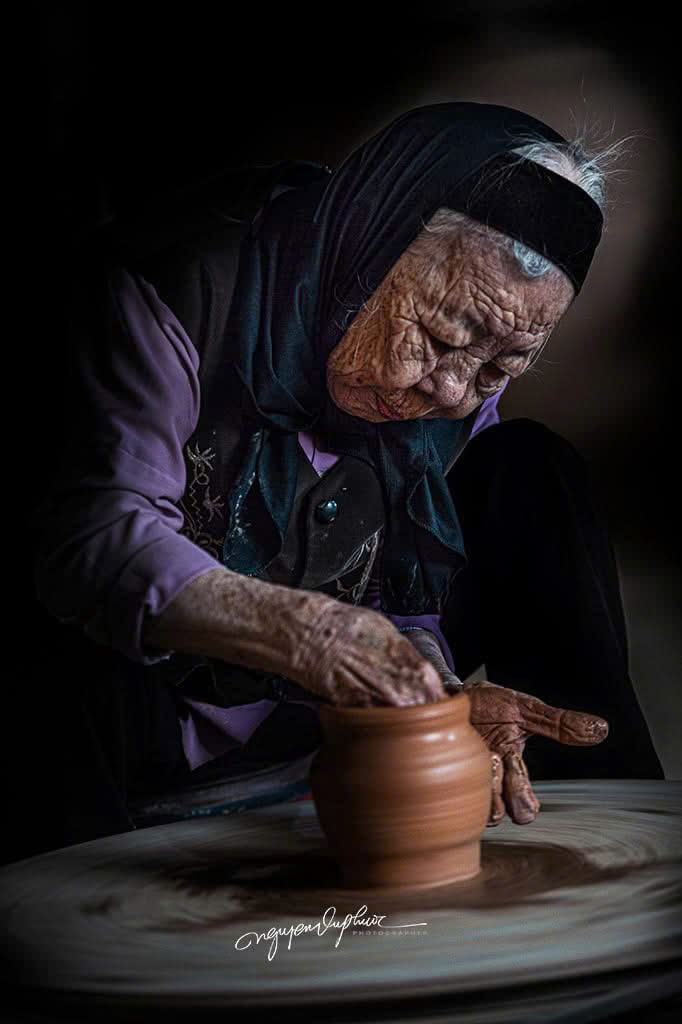
At the same time, daily life in Vietnam is active and demanding. Women work tirelessly in all parts of society. They farm the land, run small businesses, teach in classrooms, lead companies, and manage households. In both cities and villages, they balance responsibilities as mothers, daughters, professionals, and caretakers. Their contributions, both visible and unseen, are essential to the country’s development.
The image of the gentle woman is rooted in tradition, but Vietnamese women have always carried much more. They are the foundation of their families and communities, often holding everything together with quiet strength.
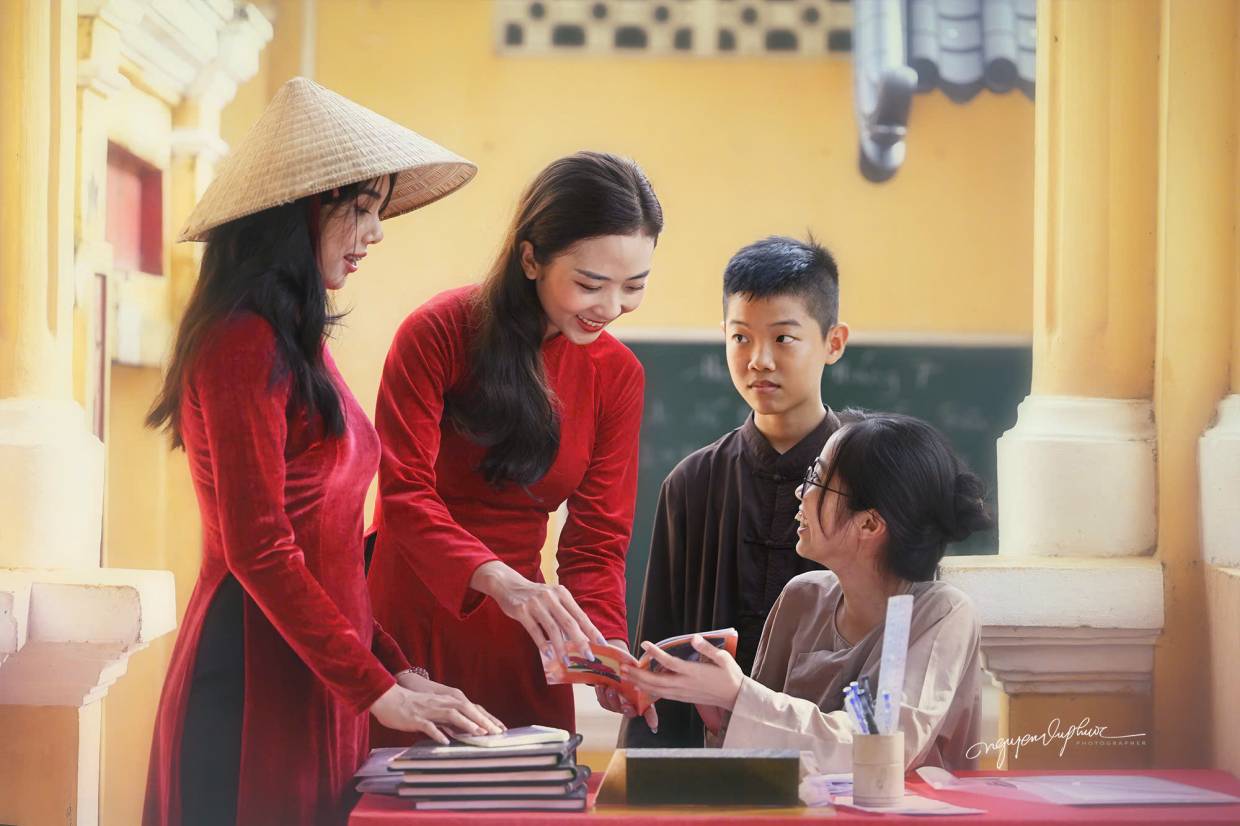
From Past to Present: Changing Roles and Social Expectations
Traditionally, Vietnamese society, influenced by Confucian values, placed women in a secondary role. Girls were expected to be obedient, soft-spoken, and modest. A common belief was that a woman’s ultimate purpose was to marry, have children, and serve her family. Being single past a certain age was often seen as unusual or undesirable.
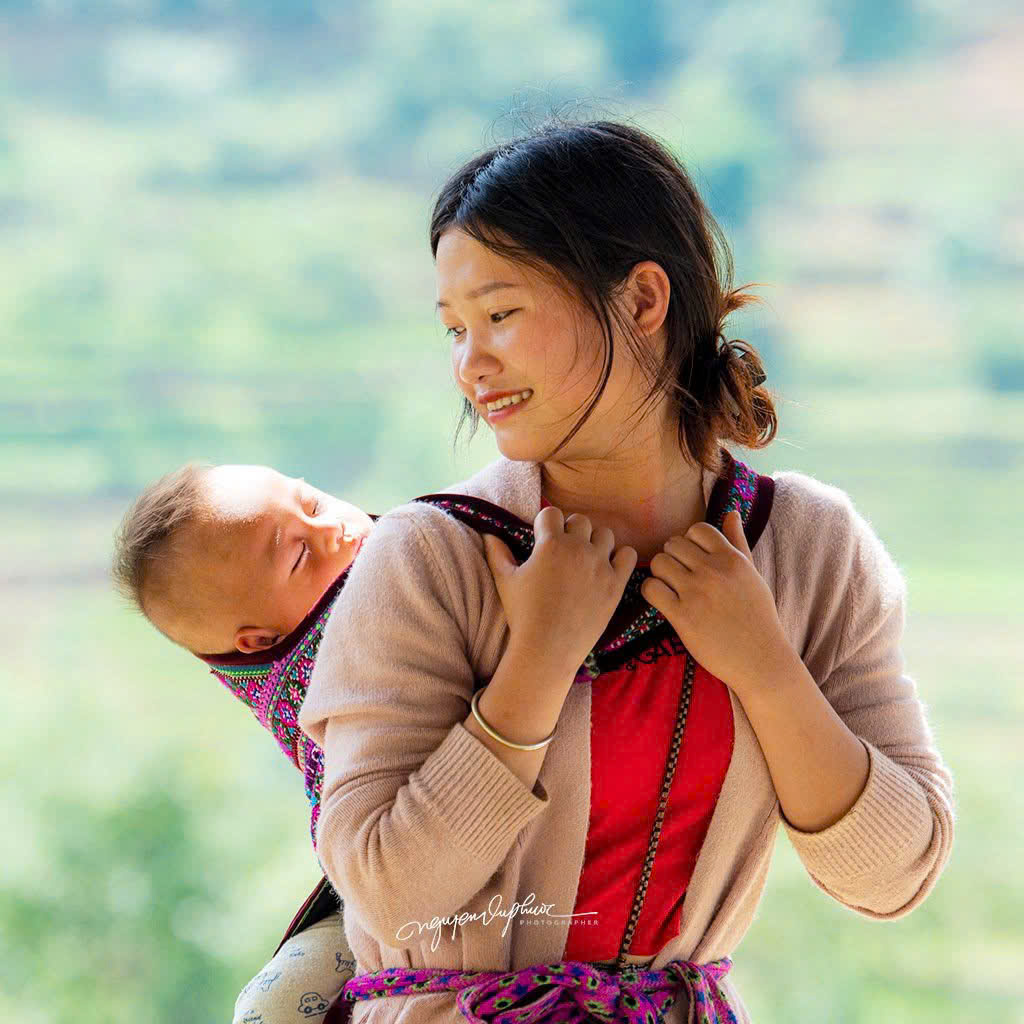
Although these ideas still exist today, especially in rural areas, times are changing. Many women are now choosing to pursue education, careers, and personal goals before thinking about marriage. Some are deciding not to marry at all. In big cities like Hanoi or Ho Chi Minh City, it is not uncommon to see women running businesses, working in law or technology, or riding motorbikes to work every day. The idea that a woman’s value depends on getting married or having children is slowly being challenged.
Even so, expectations about women’s roles within the home still persist. Many are expected to be the main caretakers, even while working full-time jobs. Balancing these responsibilities can be difficult, but women across the country are doing it every day, with strength and determination.
A Diverse Nation: Women from Kinh and Ethnic Minority Groups
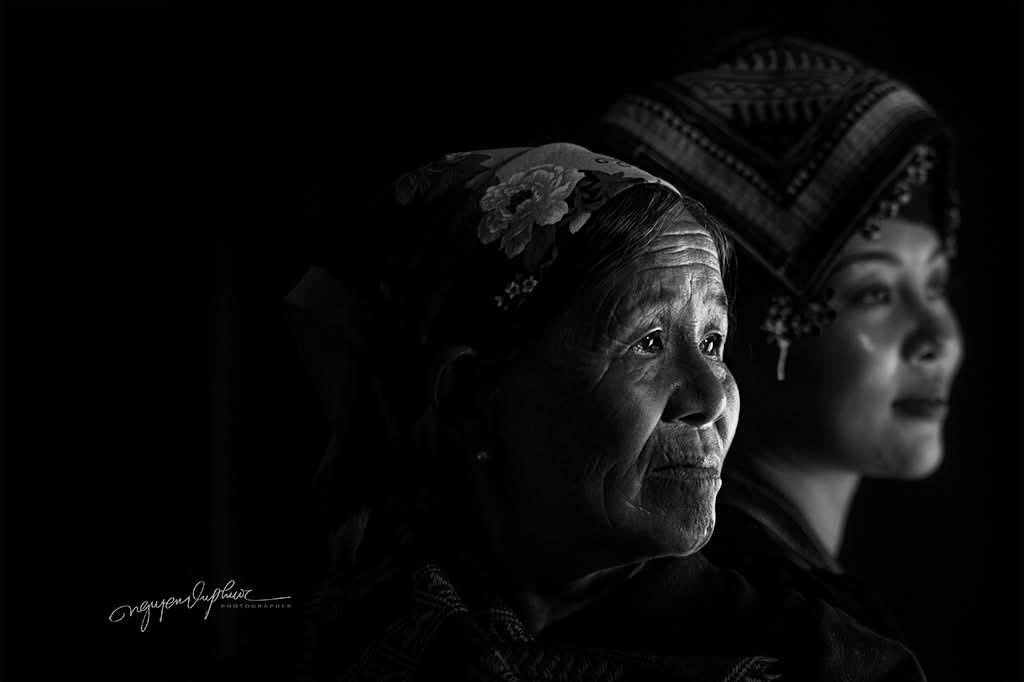
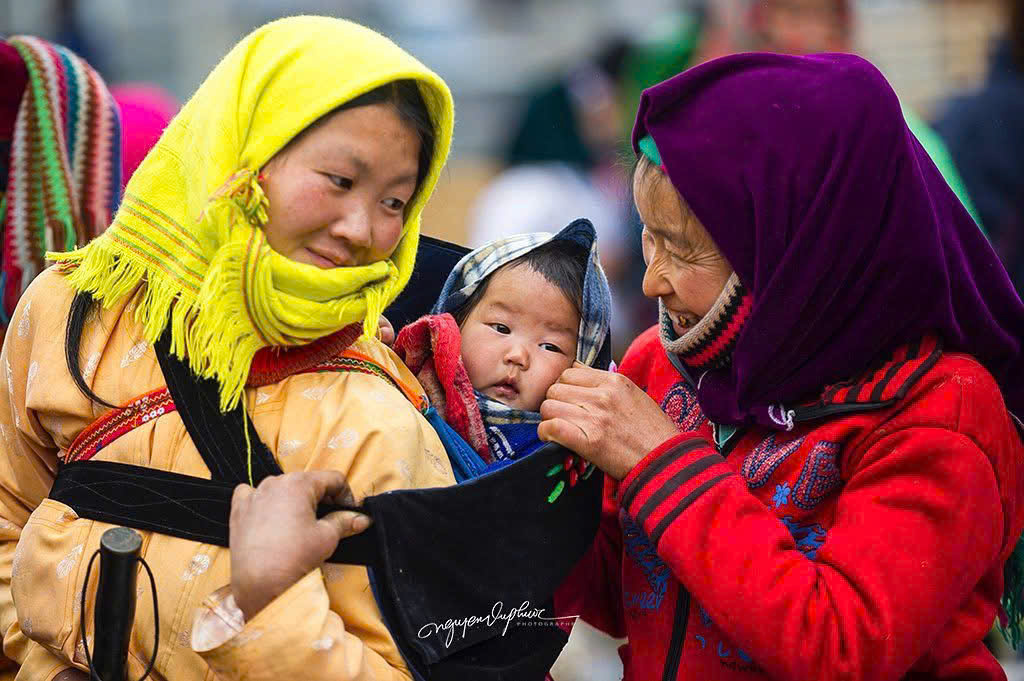
Vietnam is home to 54 ethnic groups, each with its own traditions, languages, and ways of life. The majority Kinh group shares many national customs, but women from ethnic minorities such as the H’mong, Dao, Tay, and Khmer maintain unique cultural identities.
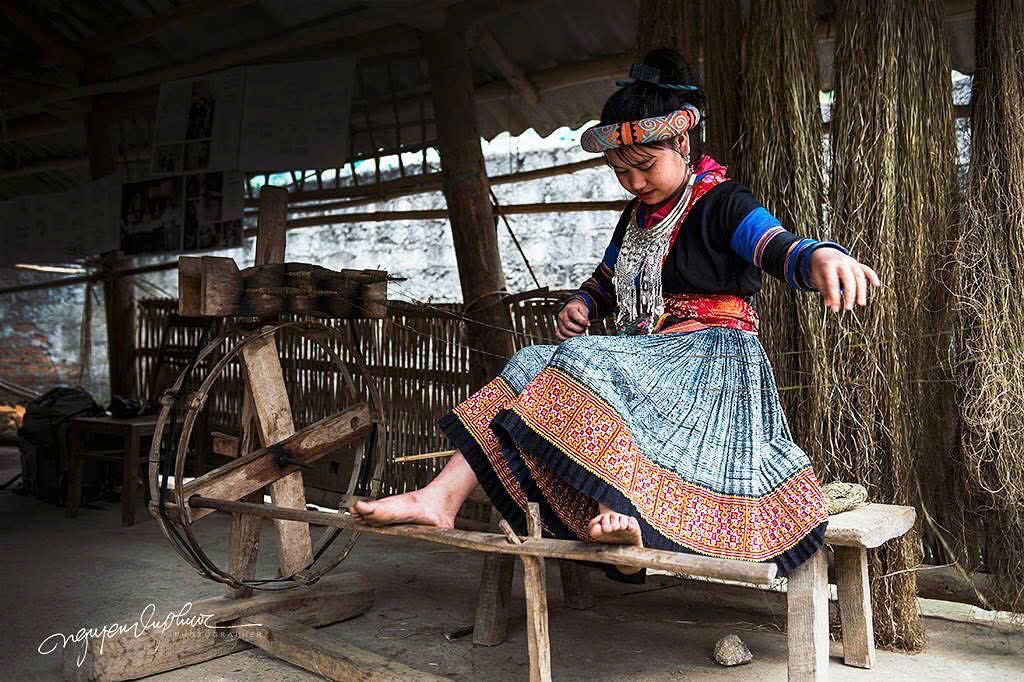
Their traditional clothing is often handmade and rich with history. You can see beautiful embroidery, bold colors, and detailed patterns that represent centuries of knowledge passed down from mother to daughter. These outfits are worn during weddings, festivals, and important ceremonies. While many wear modern clothes in daily life, they proudly return to their traditional dress on special occasions.
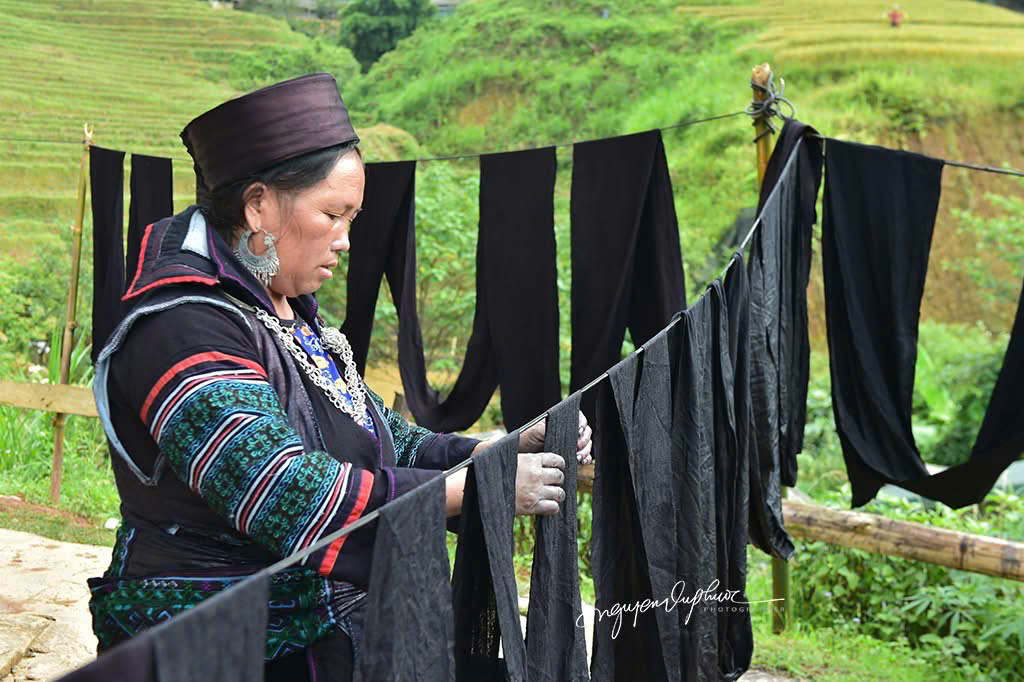
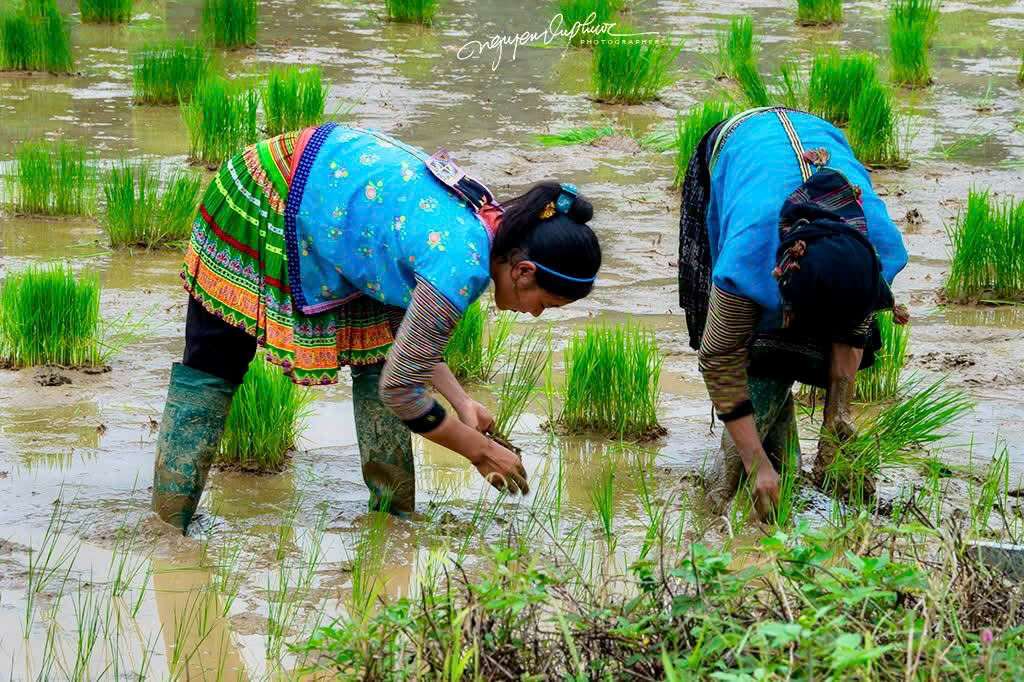
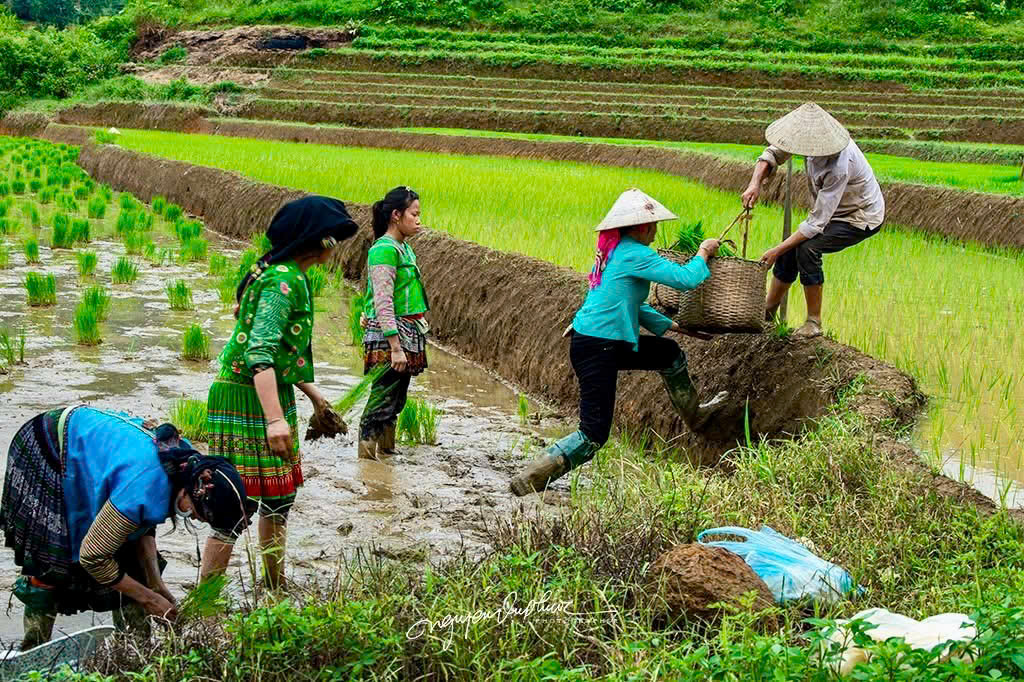
Women in ethnic minority communities often live in remote areas and face economic challenges. They work extremely hard in agriculture and home life while also preserving their cultures. Despite the hardships, their spirit, skill, and community leadership are remarkable.
Cultural Practices and Historical Beauty Standards
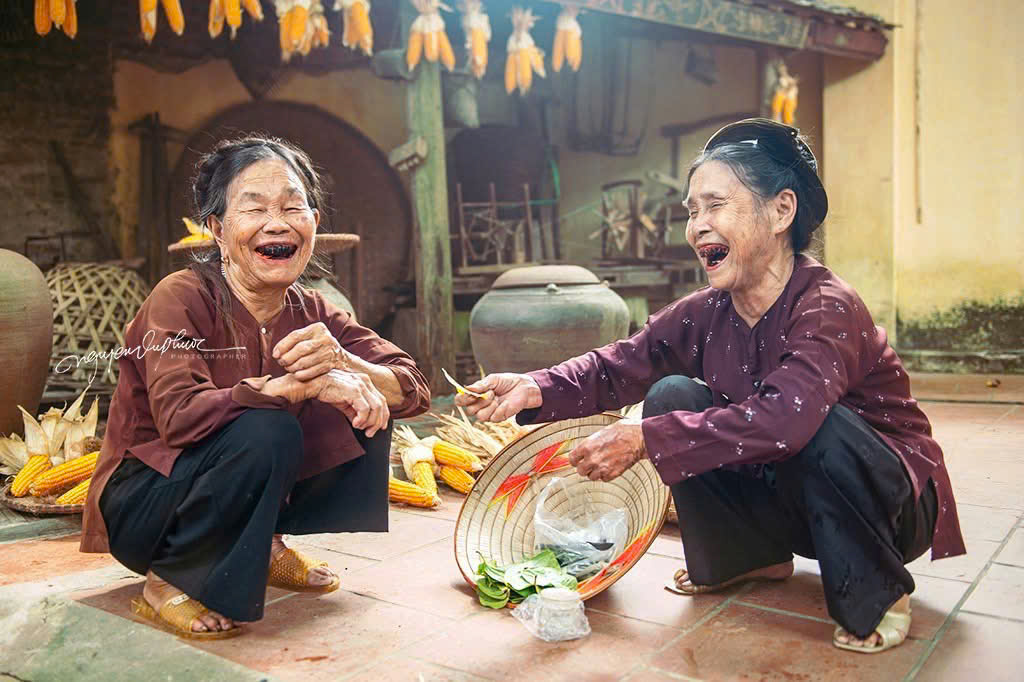
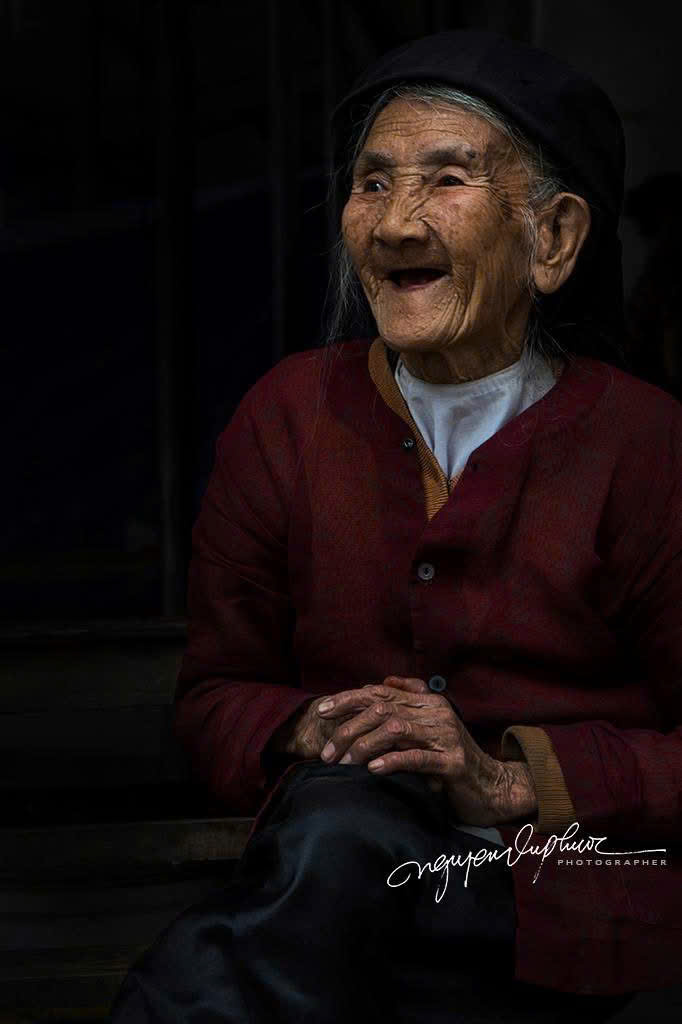
Traditional practices have also played a role in shaping the identity of Vietnamese women. Chewing betel leaves was once a common social custom believed to promote good health and hospitality. Teeth blackening, a practice now mostly seen in older generations or certain ethnic groups, was once considered a sign of beauty, loyalty, and maturity.
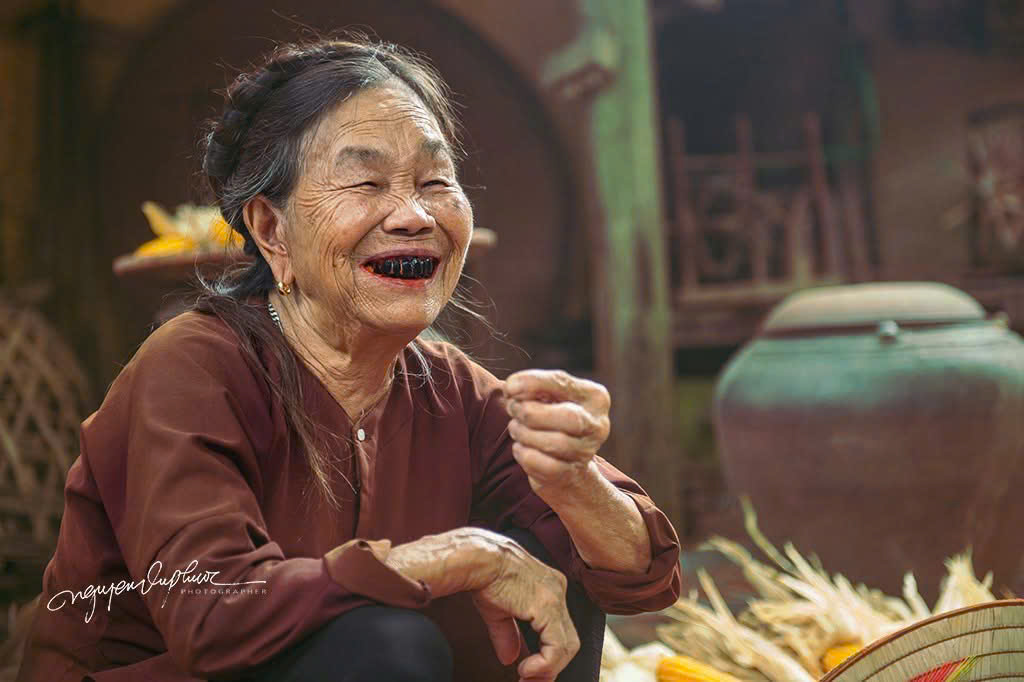
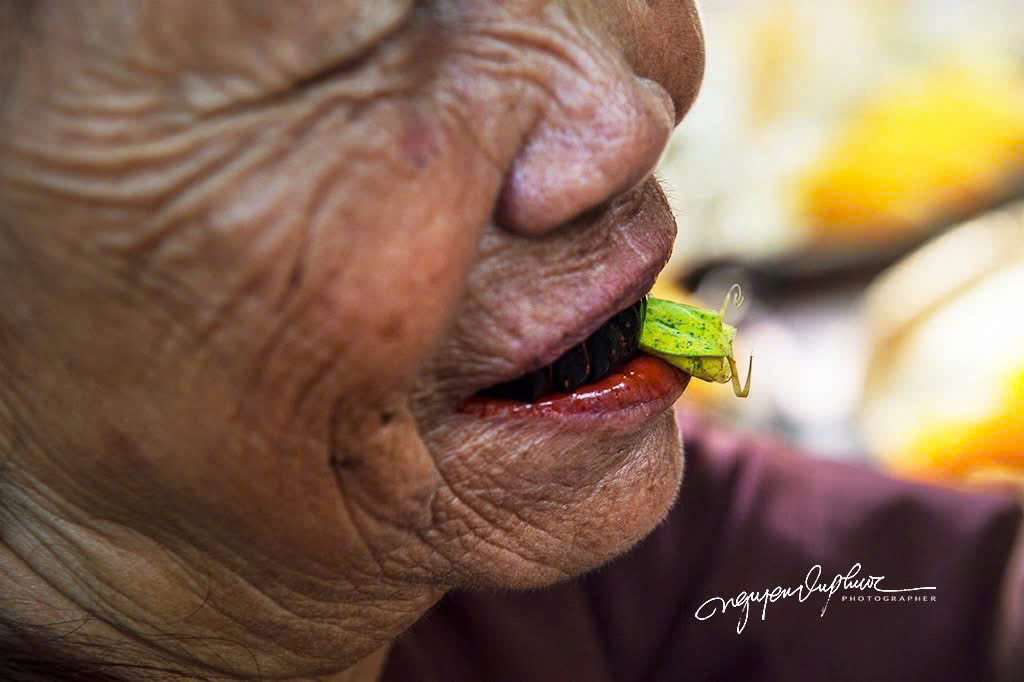
Long, black hair is still considered a symbol of purity, health, and femininity. Many women grow and care for their hair with great attention. Alongside this, gentle manners and respectful posture are traits long encouraged by Vietnamese culture, reflecting values of humility and inner strength.
Hard Work in Everyday Life
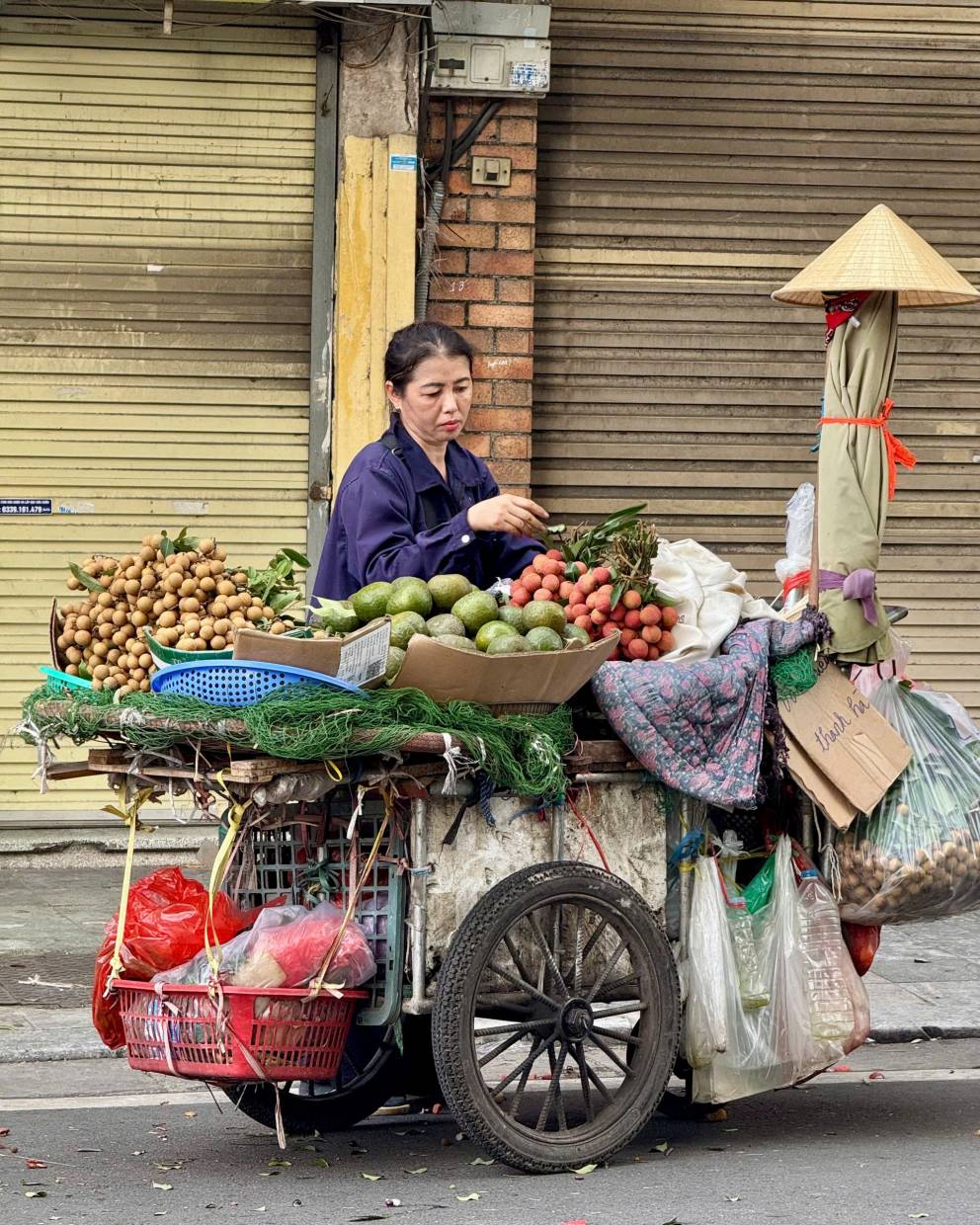
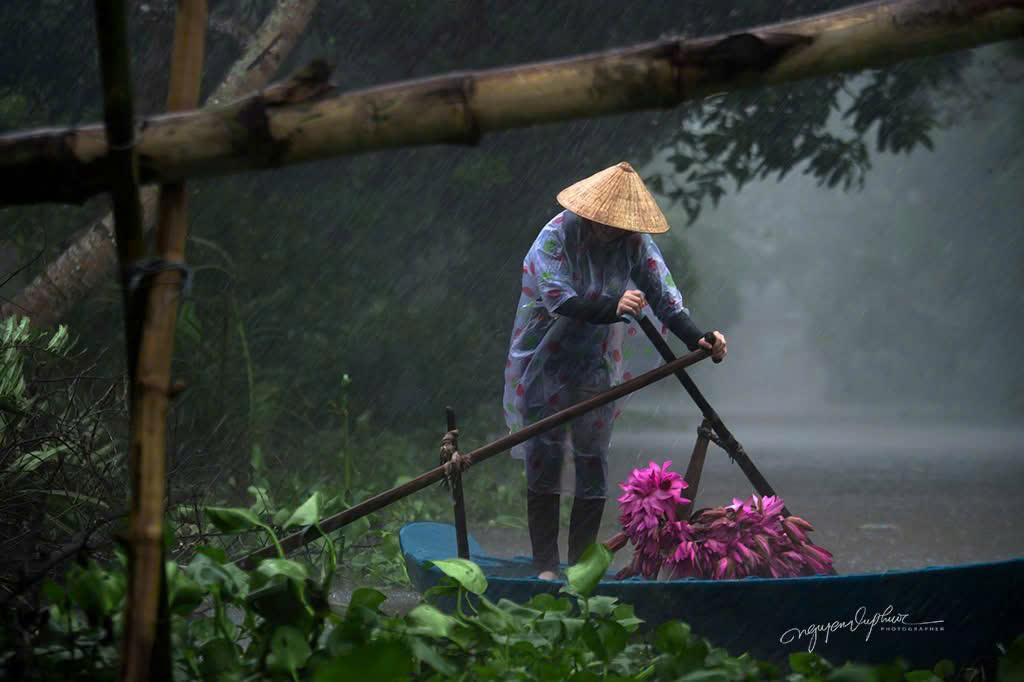
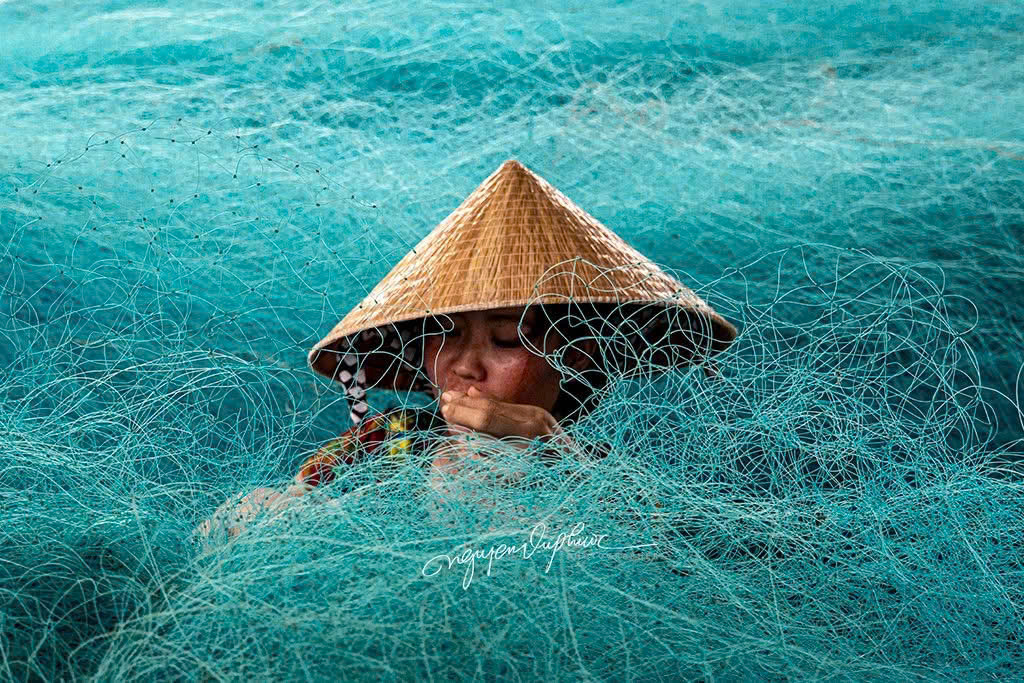
While visitors may see the graceful image of the woman in the áo dài, the reality of life for many Vietnamese women involves hard, physical labor and long hours. In the countryside, women rise early to tend to the fields, prepare meals, and take care of children and elderly parents. In cities, they may juggle jobs and family responsibilities, working into the evening after their official workday ends.
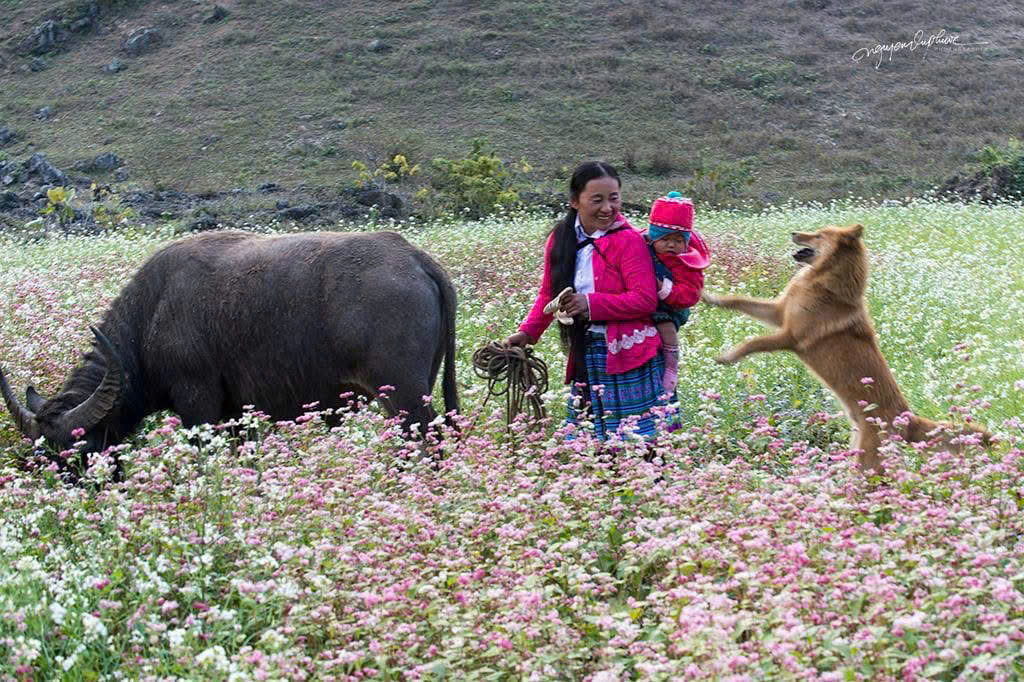
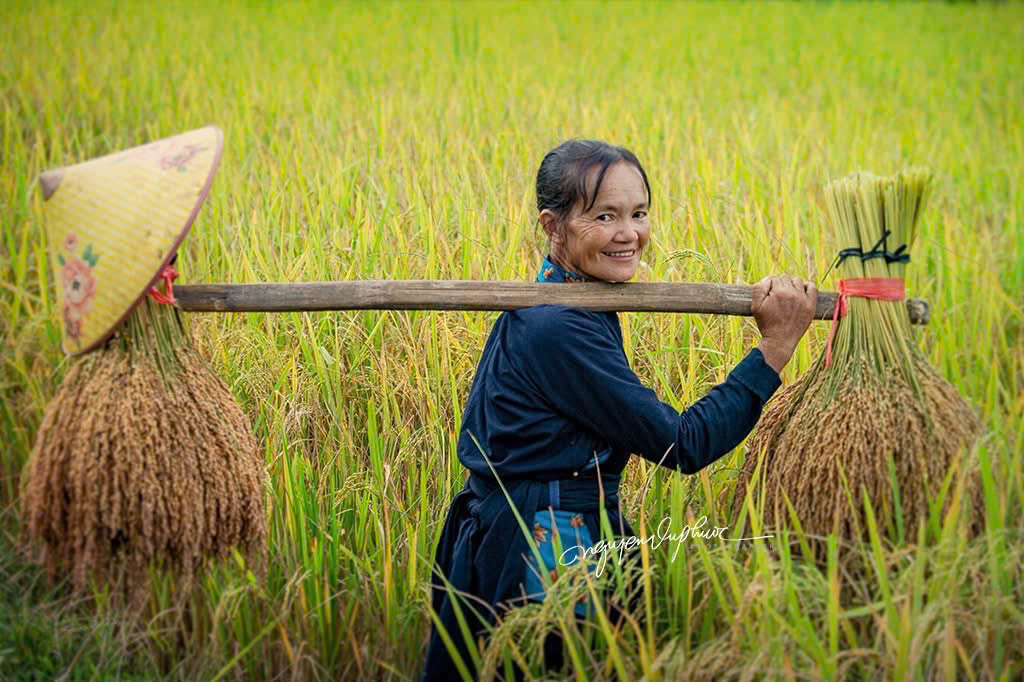
Their labor is often quiet and unrecognized, yet it holds families and communities together. Whether selling food on a busy street corner or managing a home business, these women show determination and resourcefulness in everything they do.
Photography Tips: Capturing the Essence of Vietnamese Women
Connect with your subject by taking a moment to build trust and make them feel comfortable. A genuine smile and friendly approach can bring out more natural expressions.
Focus on details such as the intricate embroidery of traditional costumes, the texture of the nón lá, or handmade jewelry. These close-up shots add depth and tell stories beyond the face.
Use natural light when possible. Early morning or late afternoon light adds warmth and softness to portraits, highlighting natural beauty.
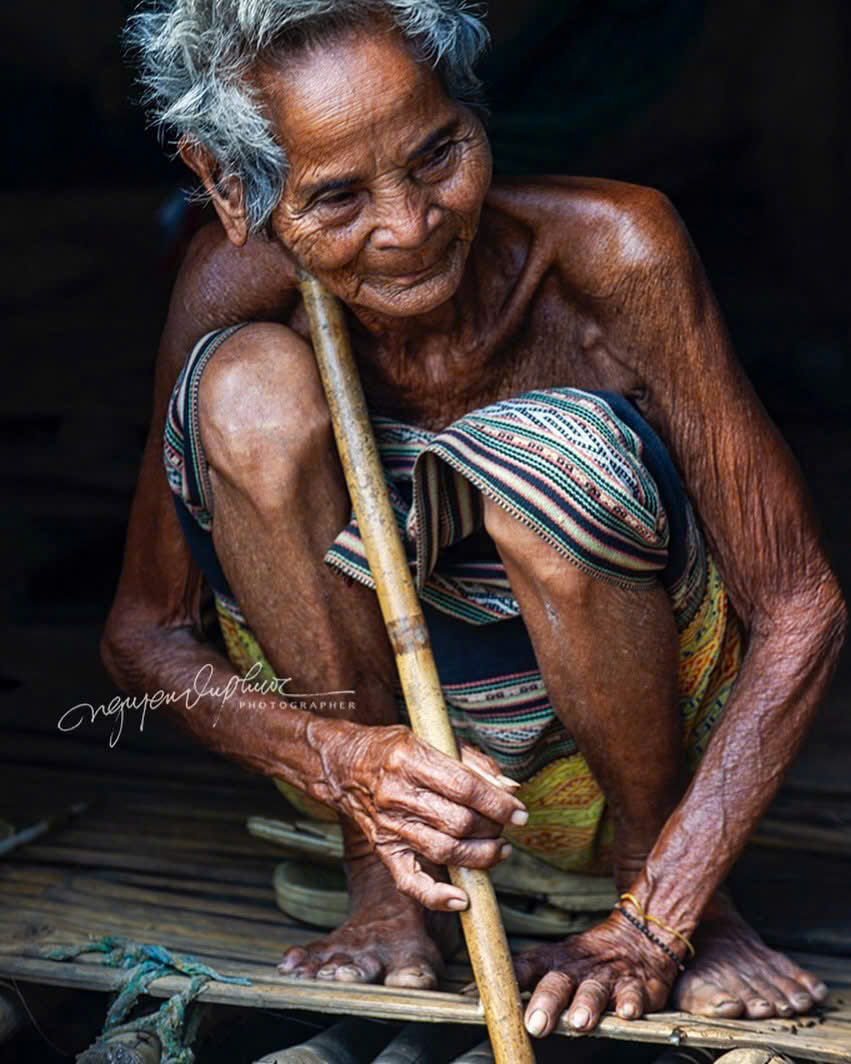
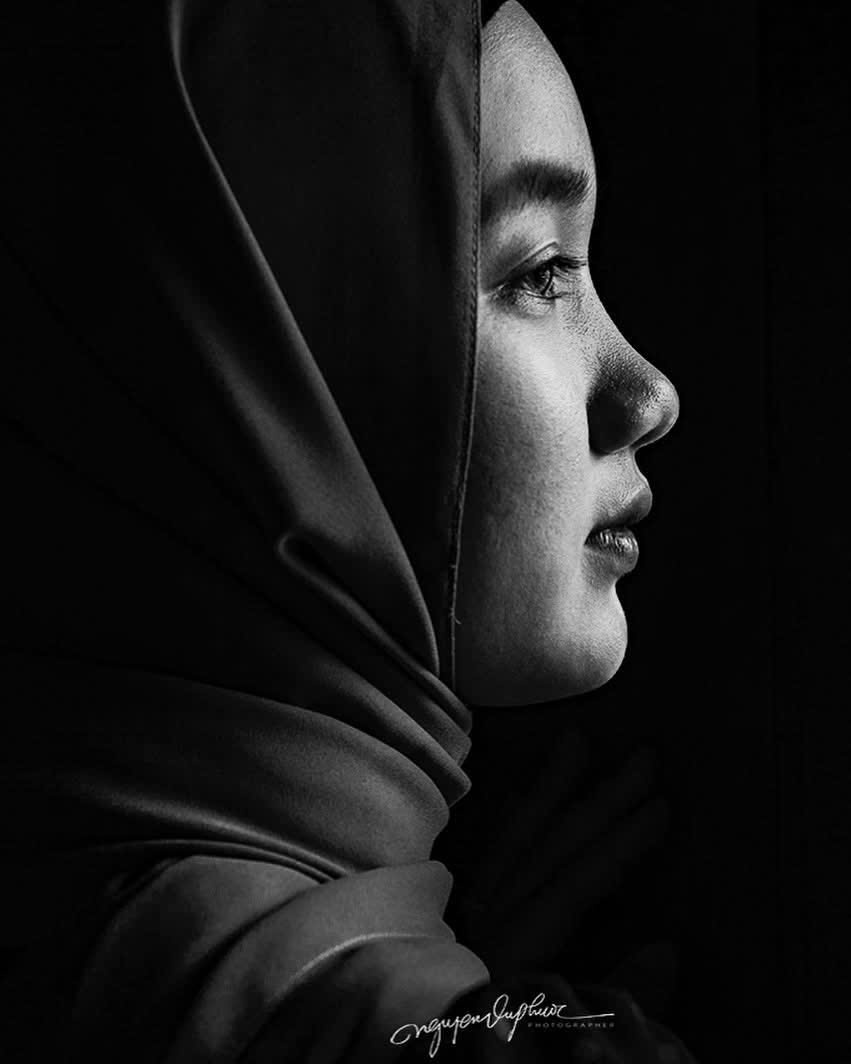
Incorporate the environment around your subject. Whether it is a lively market, a peaceful riverbank, or a mountain village, the background brings more context and emotion to the photo.
Always respect cultural norms and privacy. Ask permission before photographing anyone, especially in ethnic minority communities. Respecting local customs will lead to more meaningful and authentic images.
A Living Portrait of Vietnam
Vietnamese women represent the heart of the country. Their lives are shaped by tradition, but they are not bound by it. They honor their roots while building new paths for themselves and their families.
Whether in the graceful folds of an áo dài, the hardworking hands of a market vendor, or the confident gaze of a university student, their stories reflect the complexity and spirit of modern Vietnam. Through photography and personal connection, we can begin to understand and appreciate the depth of their lives.
If you want to experience this beauty firsthand or learn more about Vietnam’s diverse cultures through photography, be sure to explore our guided tours and YouTube channel for inspiring journeys and tips.