

Learn the updated Vietnam drone laws in 2026, including registration rules, flight permits, restrictions, and what tourists and photographers must know before flying a drone in Vietnam.
🧭 Vietnam Drone Laws 2026 Overview
Vietnam is one of the most visually stunning destinations for drone photography in the world, but also one of the most strictly regulated.
In 2026, drone use in Vietnam remains legal but heavily controlled, with increasing focus on registration, permission-based flights, and national security oversight.
✔ Key points:
- Drones are legal but regulated
- Many drone operations require prior authorization depending on location, purpose, and airspace classification.
- New national registration system introduced in 2026
- Strict enforcement in cities and sensitive areas

Vietnam Drone Law Update 2026
Vietnam has been moving toward a centralized drone management system, with updated regulations introduced around 2026.
This reform strengthens centralized oversight of drone registration and airspace management.
🆕 Key changes:
- Drones are required to be registered under a national framework, with increasing standardization of records and identification systems.
- Each drone may be assigned a unique identification number under the updated system.
- Ownership and specifications are centrally tracked
- The system aims to reduce fragmented approval processes
👉 This moves Vietnam toward a more centralized and traceable drone management system.

🧾 Drone Registration in Vietnam
Drone registration is required under Vietnamese regulations, with increasing standardization through national systems.
Registration typically includes:
- Drone serial number
- Owner identification
- Technical specifications
- Intended usage purpose
⚠ Important for travellers:
Tourist registration is not clearly streamlined and may be difficult to complete without local support. Foreign visitors may face administrative barriers, including local sponsorship or documentation requirements.


✈️ Do You Need a Drone Permit in Vietnam?
In many cases, yes — especially for specific locations or planned flights.
To legally operate a drone, prior approval is often required depending on where and how the drone is used.
Typical requirements:
- Flight plan submission
- Exact location and timing
- Government approval from aviation and security authorities
👉 Some operations may require separate authorization depending on the flight plan.
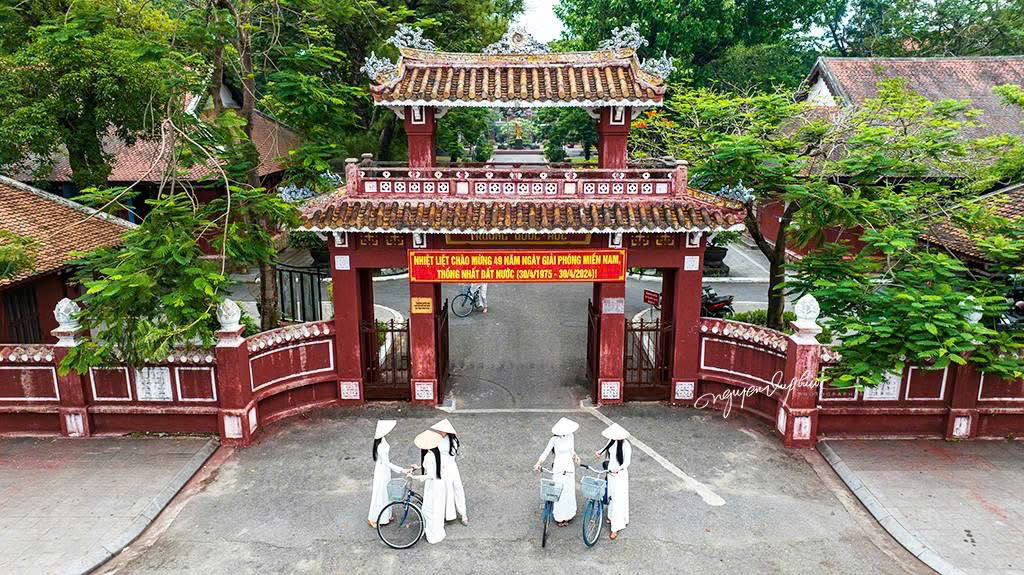
🚫 No-Fly Zones in Vietnam
Drone flights are strictly restricted in many areas.
❌ Prohibited or restricted zones:
- Airports and aviation corridors
- Military installations
- Government buildings
⚠️ Urban restrictions:
- Hanoi city center
- Ho Chi Minh City central districts
- Da Nang urban zones
📌 Sensitive locations:
- Crowded tourist landmarks
- Protected cultural or security sites
Violations may result in fines or drone confiscation.

🌄 Flying Drones in Rural Vietnam
Rural Vietnam is famous for its cinematic landscapes, including rice terraces, mountain passes, and coastal regions.
However:
- Enforcement is inconsistent
- Legal requirements still apply nationwide
- Reduced visibility does not mean legal freedom
👉 Always assume regulations apply everywhere.


🎒 Bringing a Drone into Vietnam
You can generally bring a drone into Vietnam through customs.
What to expect:
- Possible declaration upon entry
- Inspection of equipment in some cases
- Import does not grant permission to fly

🧑✈️ Tourists vs Expats
Drone rules apply to everyone, but access differs in practice.
✈ Tourists:
- Often face limited or unclear access to formal registration processes
- Difficult permit process
- Informal flying carries legal risk
🏠 Expats / residents:
- Generally have more practical pathways to registration through local documentation or sponsorship
- Can work with local sponsors or companies
- Better access to formal approvals
👉 Neither group is exempt from regulations.
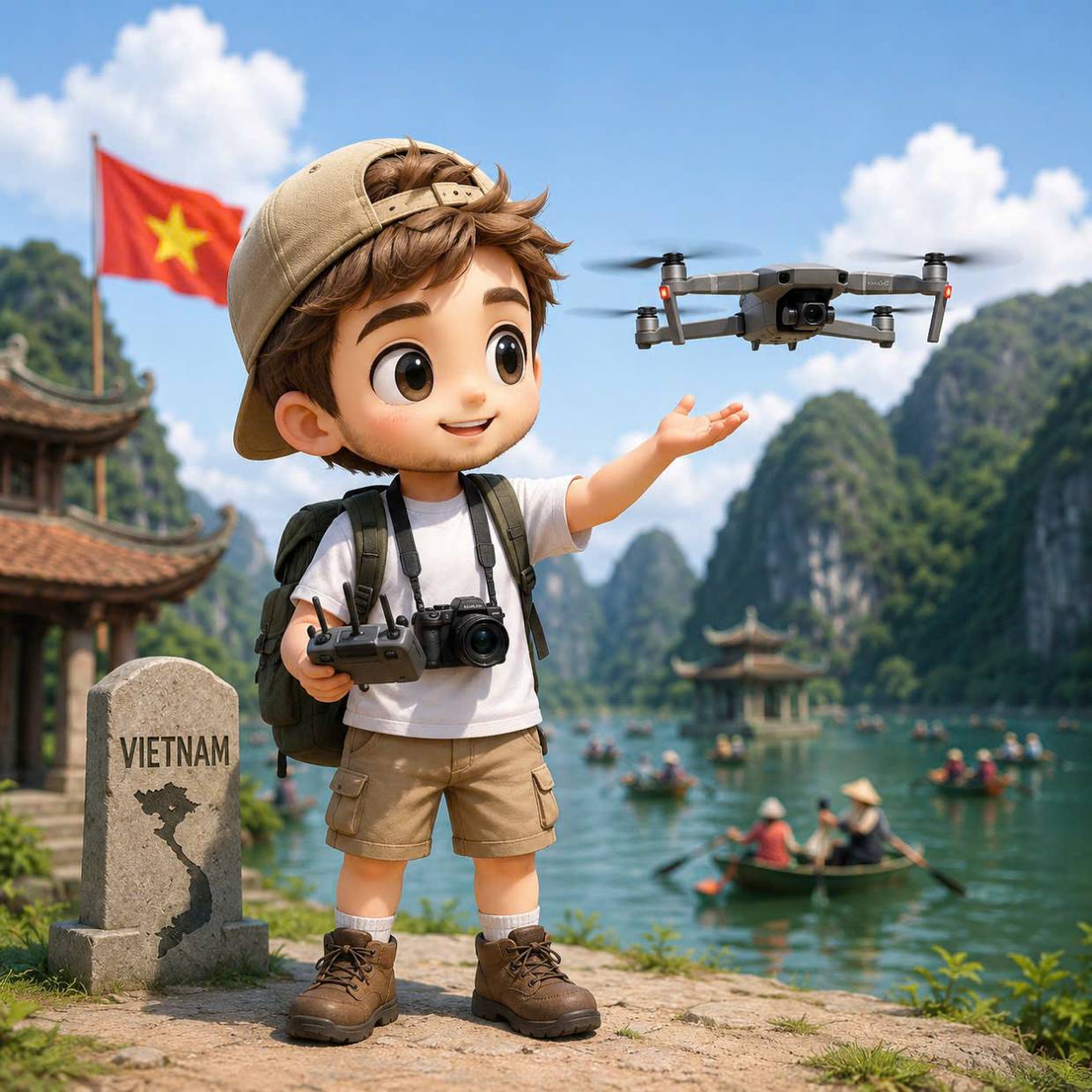

📦 Are Small Drones (Under 250g) Exempt?
Not fully.
In Vietnam:
- Weight does not exempt drones from regulation
- Sub-250g drones may still be subject to restrictions depending on location and use case
- Smaller drones may attract less attention, but are still regulated


⚖️ Penalties for Illegal Drone Use
Flying without permission can lead to:
- Drone confiscation
- Fines or administrative penalties
- Questioning by authorities
Risk is significantly higher near airports, cities, and restricted zones.

🎥 Real-World Enforcement (What Photographers Experience)
Enforcement can vary in practice:
- Strict enforcement in cities and controlled zones
- Moderate enforcement in rural regions
- Case-by-case attention depending on visibility
👉 Legal rules remain the same nationwide regardless of enforcement differences.
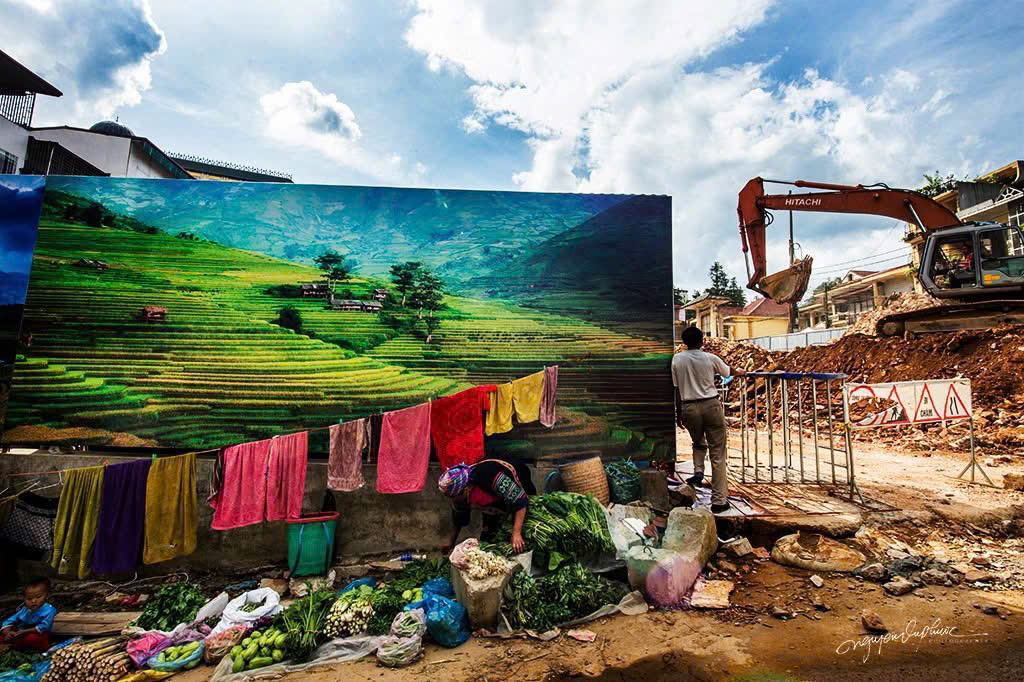
📌 Best Approach for Drone Photographers
✔ Option 1: Full legal compliance
- Apply for permits in advance
- Work with licensed production teams
- Plan fixed-location shoots
✔ Option 2: Professional support
- Hire local licensed drone operators
- Use authorized filming services
✔ Option 3: Informal travel use (higher legal risk)
- Some travellers still fly drones
- Requires awareness of legal and equipment risk
❓ FAQ
Can tourists fly drones in Vietnam?
Tourists can bring drones into Vietnam, but legal flying generally requires permits that are difficult to obtain without local support.
Do I need a permit to fly a drone in Vietnam?
In many cases, yes. Prior approval is often required depending on location and purpose.
Is DJI Mini allowed in Vietnam?
Yes, but there is no exemption based on weight. All drones are regulated.
What happens if I fly a drone illegally?
You may face fines, drone confiscation, or questioning by authorities.
Where is it safest to fly a drone in Vietnam?
Rural areas may appear more flexible, but legal requirements still apply nationwide.

🧭 Conclusion
Vietnam in 2026 remains one of the most rewarding yet strictly regulated drone photography destinations in Asia.
While the landscapes are exceptional, the system is built around registration, permission, and controlled airspace access.
✔ Key takeaway:
Success in Vietnam drone photography requires either:
- Proper permits and planning, or
- Acceptance of operational risk in informal scenarios


