A Photographer’s Guide to the Beautiful Chaos
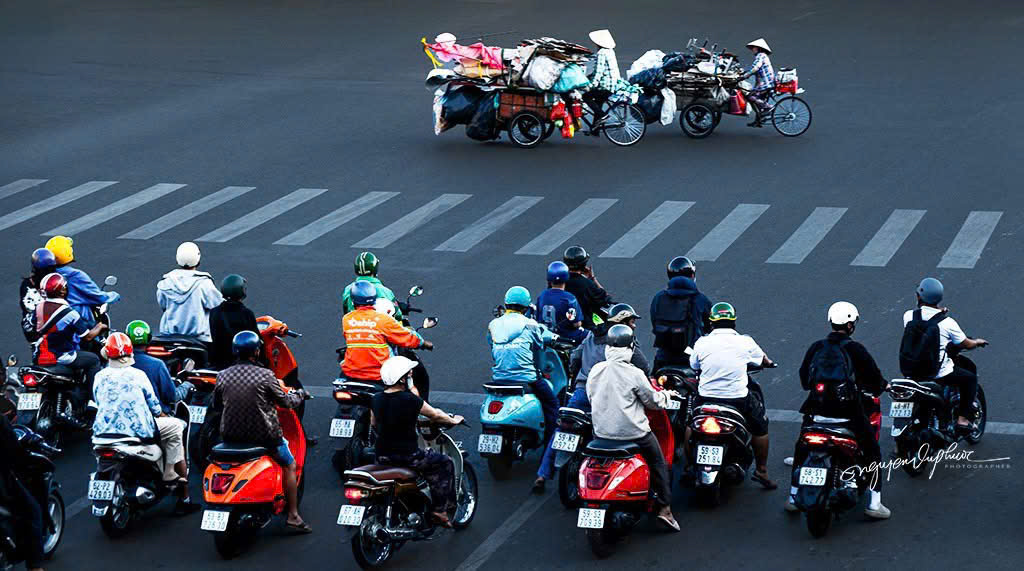
Traffic in Vietnam is more than a way to travel. It is a living, breathing part of daily culture. Streets are packed with motorbikes, cars, buses and bicycles moving in a rhythm that looks chaotic at first but makes perfect sense once you step into it. For travelers and photographers, this is one of the first unforgettable experiences of the country.
This guide combines practical knowledge, local experience and helpful insights to help you understand the flow of Vietnam’s streets and move with confidence.
The Motorbike Culture of Vietnam
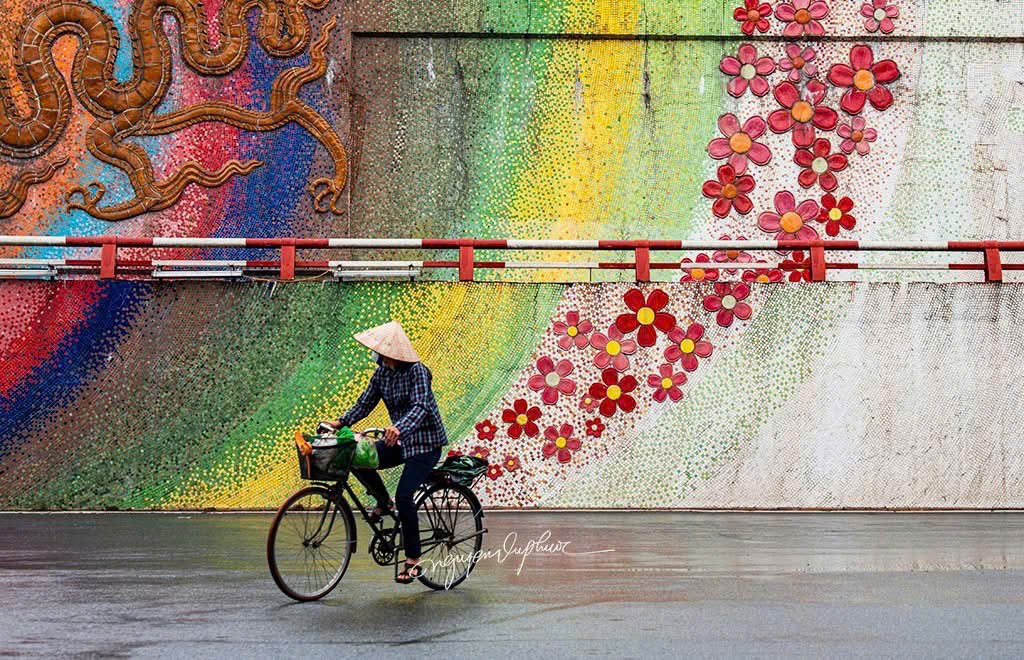
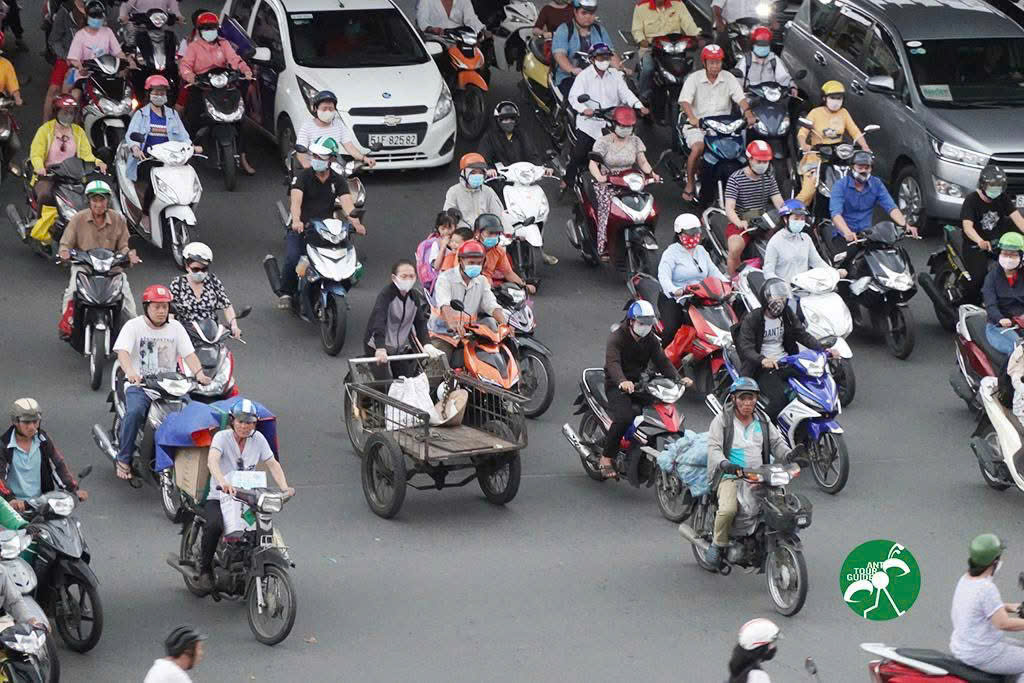
Motorbikes are everywhere in Vietnam. There are around 77 million registered motorbikes in the country. Almost every family owns at least one and many own two or three. They are affordable, convenient, and perfect for navigating both wide boulevards and narrow alleys. Families carry children to school, workers commute with tools, vendors balance baskets of fruit on the back, and young people meet friends at cafés.
The motorbike is not only a vehicle. It is a daily companion.
Cars are increasing in number but remain expensive because of taxes and parking challenges. Currently, there are around 3.5 million cars registered nationwide, which is far fewer than motorbikes. This is why even car owners often prefer their motorbikes for short trips.
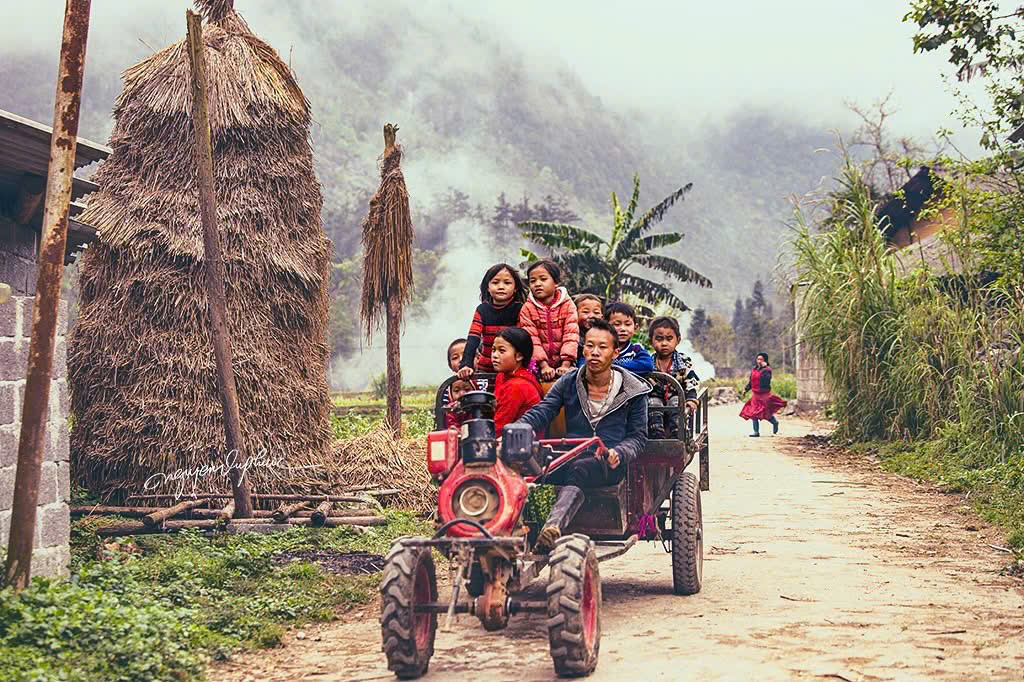
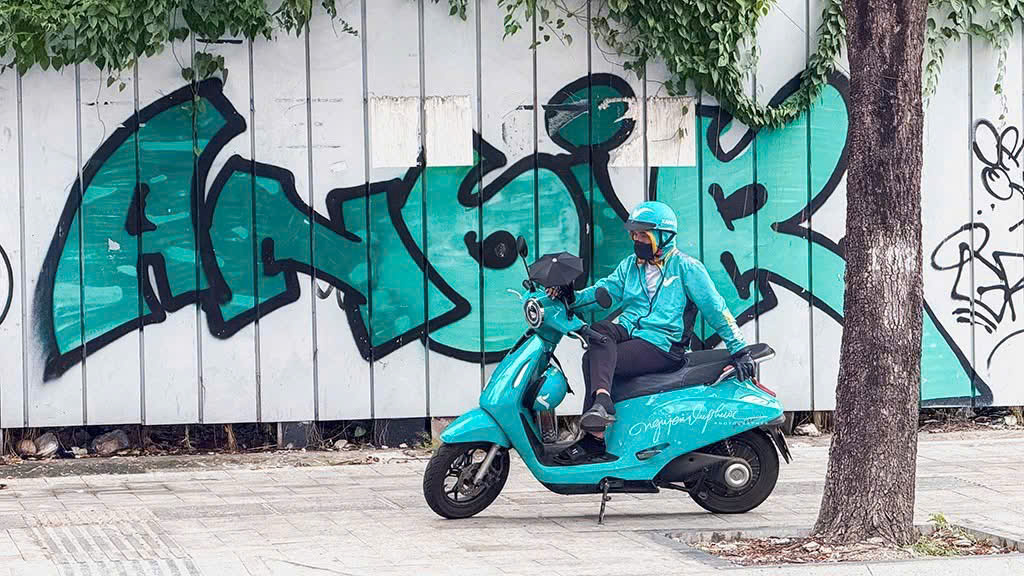
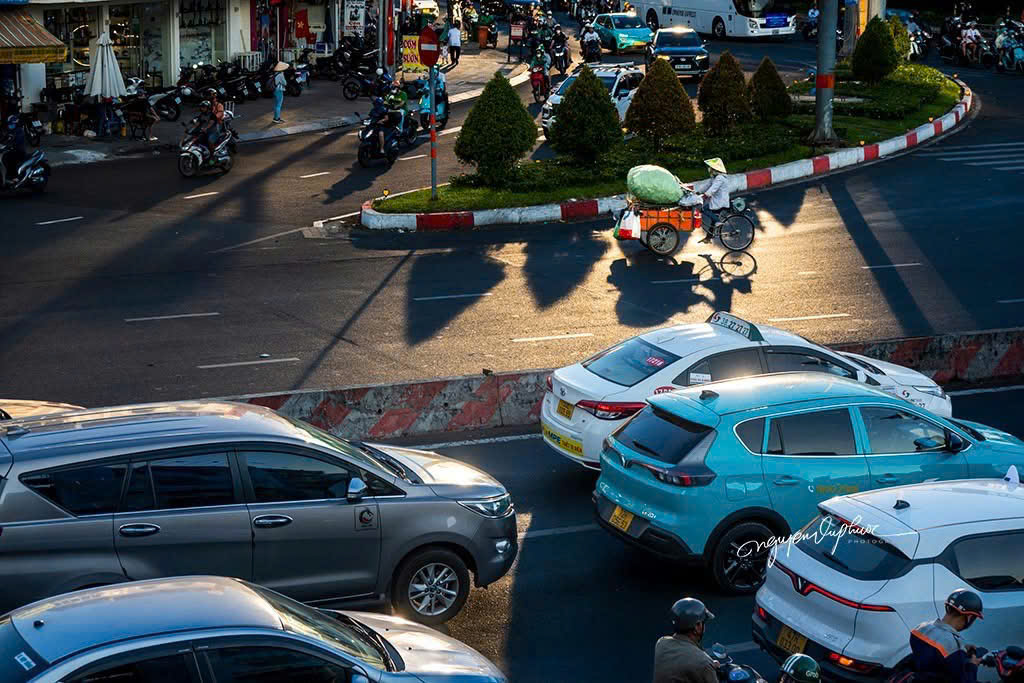
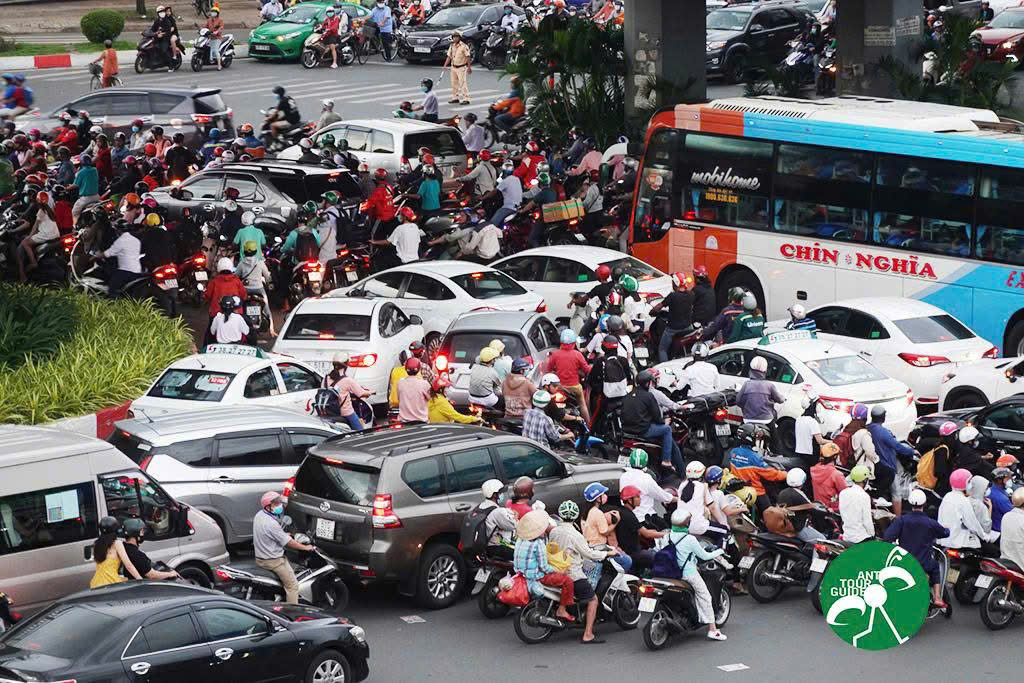
Alongside bikes and cars, you will also see bicycles, electric scooters, buses, minibuses, and the occasional unbelievable load balanced on a single motorbike. All of this creates a busy but fascinating street scene.
Metro and Urban Rail: Hanoi and Saigon
Hanoi
-
The capital has its first metro line running 13 kilometers from Cat Linh to Ha Dong with 12 elevated stations.
-
The trains provide steady views of local neighborhoods and busy markets underneath. Platforms and elevated tracks give photographers a new perspective on city life.
Ho Chi Minh City
-
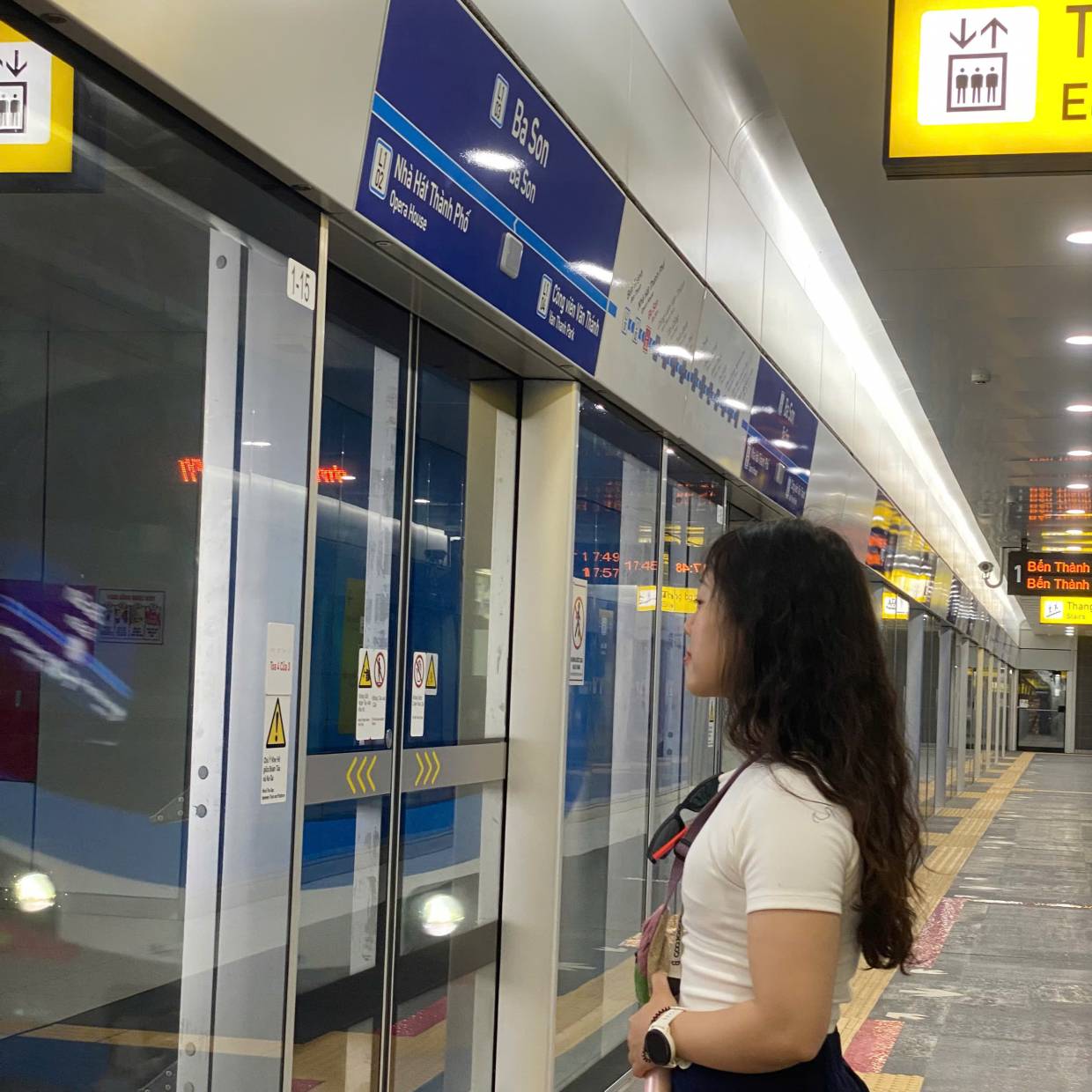
Metro Line 1 is officially operational. It runs 19.7 kilometers from Ben Thanh in the city center to Suoi Tien in the northeast.
-
The line has 14 stations, including 3 underground stations in the city center.
-
Elevated sections offer beautiful views of the city while underground stations create calm spaces ideal for photography.
-
By 2035, HCMC aims to have 8 metro lines covering over 355 kilometers, transforming urban mobility.
Metro stations are not only practical; they are excellent spots for photography, offering symmetry, clean lines, and modern contrast to traditional streets.
Trains for Slow Travelers
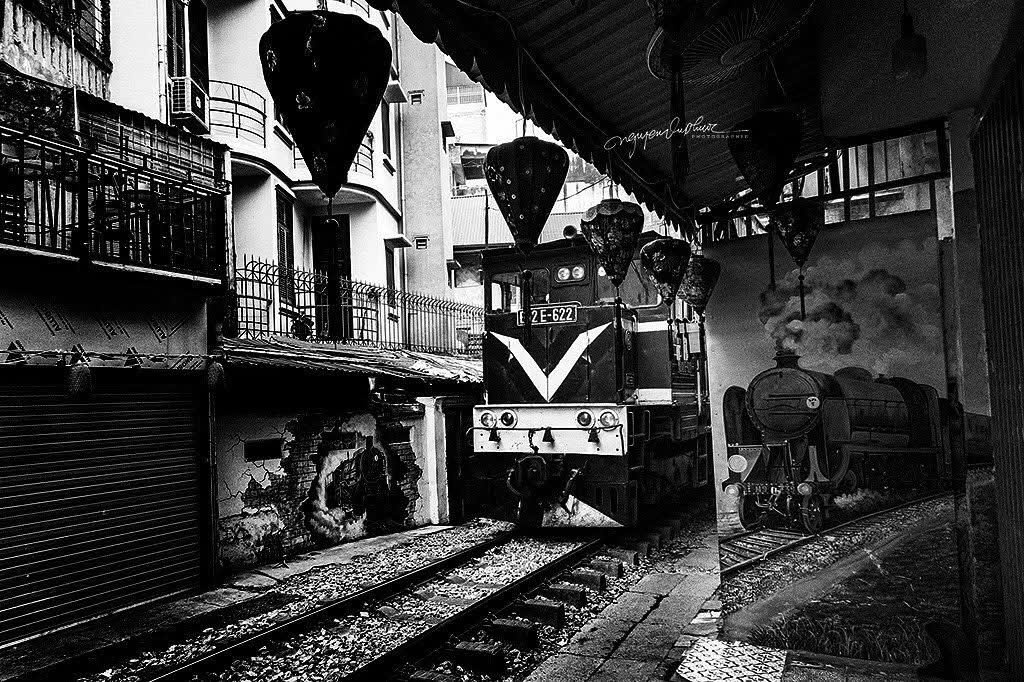
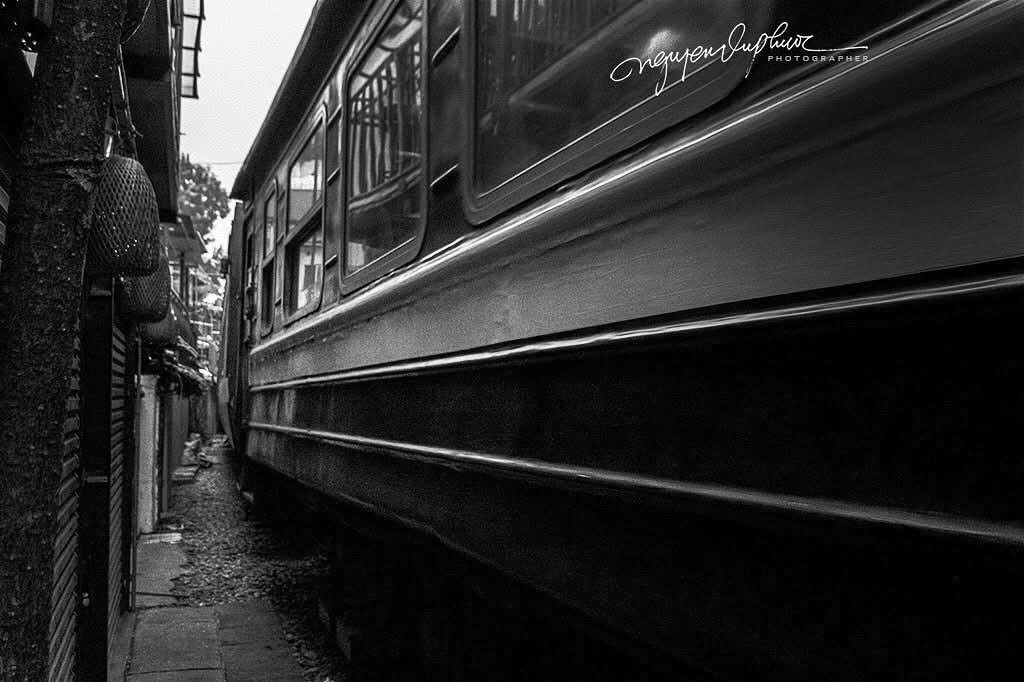
Vietnam’s trains are not fast but they are full of character. The routes between Saigon and Hanoi pass through coastal towns, rice fields, lagoons, and mountains. Travelers who enjoy slow movement often choose trains for their unique atmosphere and the chance to capture beautiful scenery through the windows.
A typical train journey can take 30 to 36 hours from Ho Chi Minh City to Hanoi on a regular train. Regional trains run shorter distances, some covering over 1,500 kilometers along scenic routes, offering plenty of opportunities for photography and observation of life outside the window.
Understanding Traffic Rules in Vietnam
General road rules
-
Always respect traffic lights
-
Keep to the right side of the road
-
Honking is a way of signaling presence rather than aggression
-
Pedestrians should be alert at all times
-
Vehicles give way when merging slowly rather than stopping suddenly
-
Safety helmets are required for all motorbike riders and passengers
Rules for cars
-
Seatbelts are required
-
Driving on the right side is mandatory
-
Speed limits range from 40 km/h in urban areas to 90 km/h on national highways
-
Cars must respect motorbike lanes when they exist
-
Using mobile phones while driving is not allowed
Rules for motorbikes
-
Helmets are compulsory
-
Riding on sidewalks is prohibited
-
Lights must be used after dark
-
Alcohol limits apply
-
Always carry license and vehicle papers
Licensing for foreigners
Foreign visitors who want to ride a motorbike or drive a car legally must have an International Driving Permit that Vietnam recognizes or a converted Vietnamese license. Insurance usually requires a valid license to provide coverage, so this is important for long stay travelers.
Visitors without a license should use taxis, Grab, or other safe transport options.
Moving Through Vietnamese Traffic With Confidence
Crossing the street or riding through the flow becomes easier when you understand the rhythm.
-
Walk slowly and steadily when crossing
-
Do not stop suddenly
-
Do not run
-
Keep your movement predictable
-
Make eye contact with approaching riders
-
Avoid peak hours if possible: 7 to 9 in the morning and 4 to 6 in the evening
-
Be extra careful on rainy days because roads become slippery
The key is calmness. Confidence helps the traffic read your movement.
Photography Opportunities in Vietnam’s Traffic
Traffic in Vietnam is one of the most rewarding subjects for photographers. Every hour of the day offers unique possibilities.
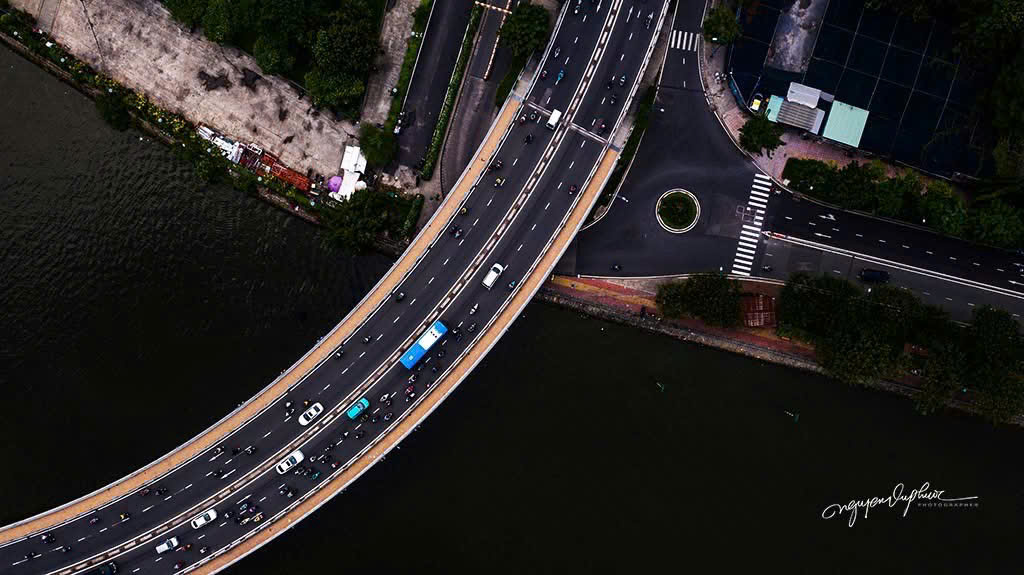
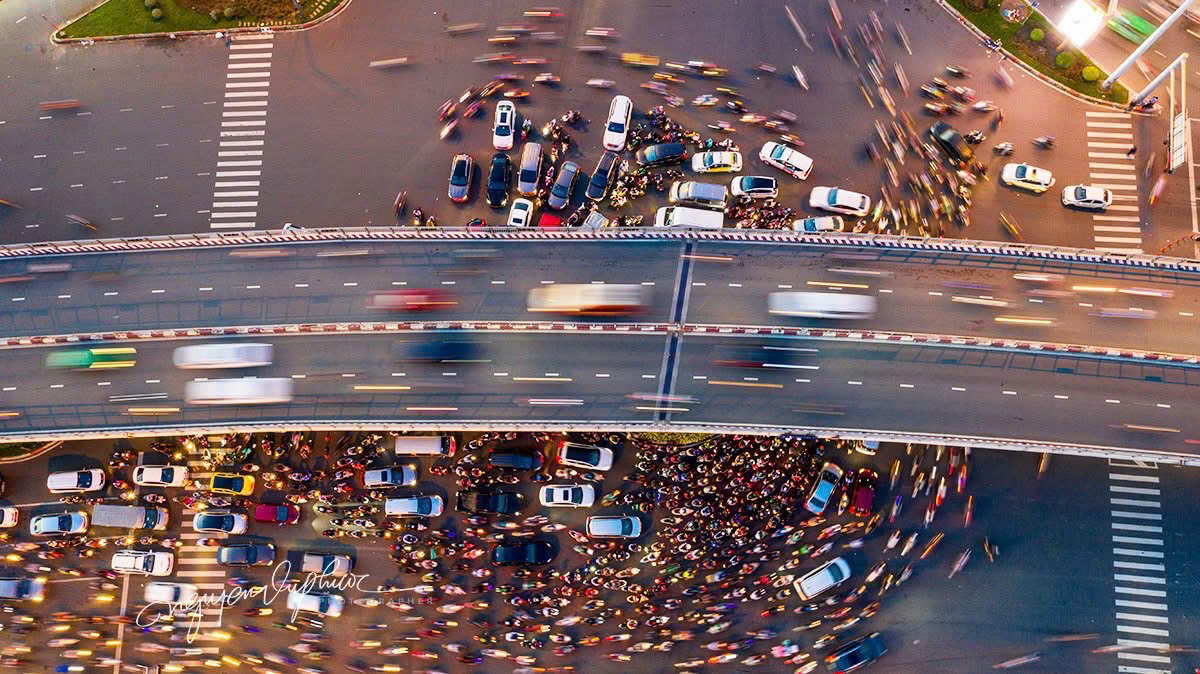
Shoot from above
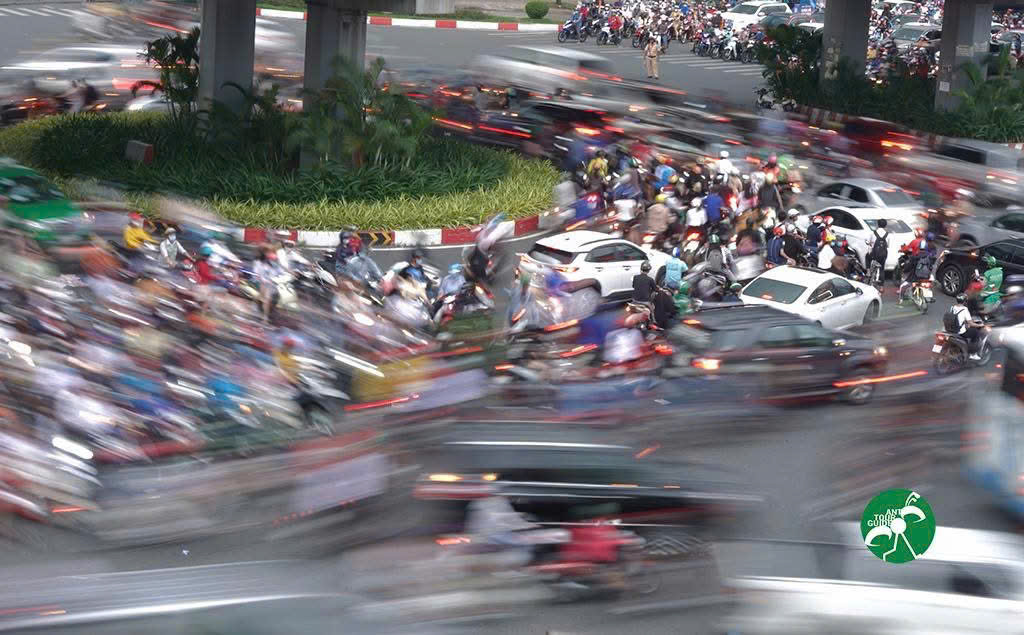
Bridges, metro stations, and café balconies offer beautiful views of the moving patterns below.
Golden hour magic
Morning and afternoon light touches helmets and casts long shadows on the road.
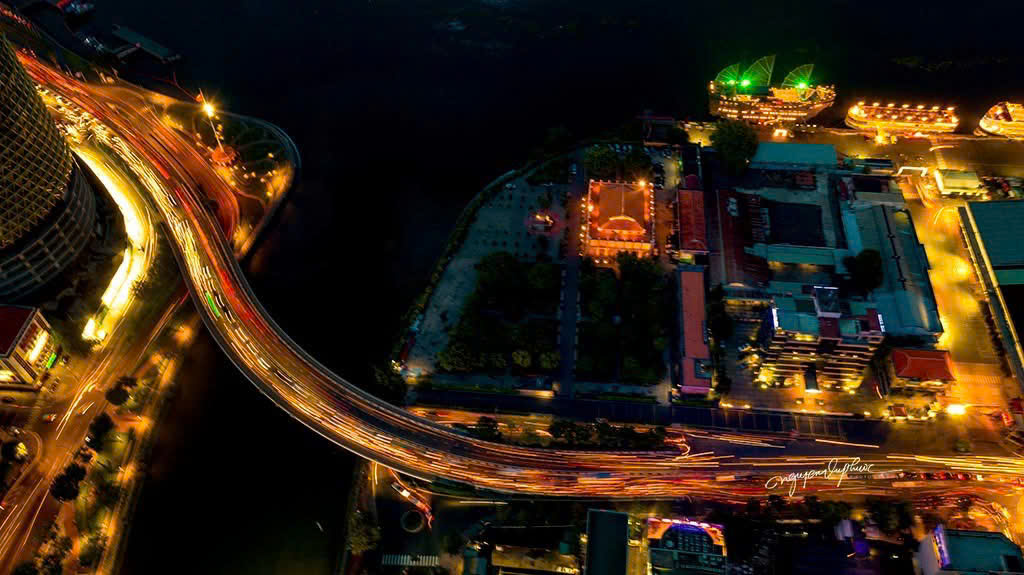
Night scenes
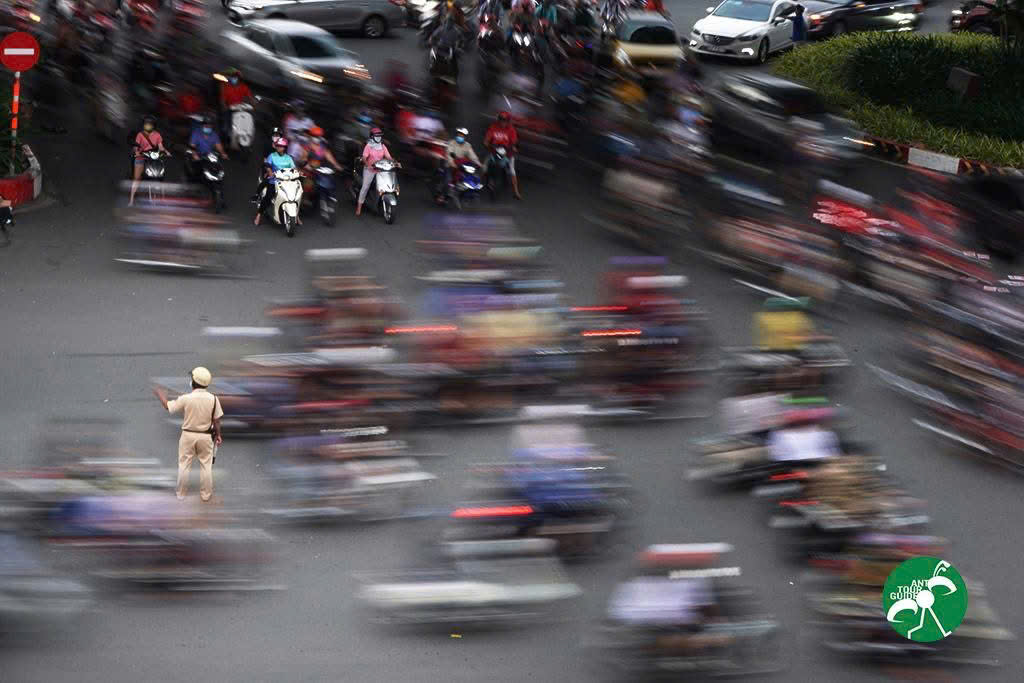
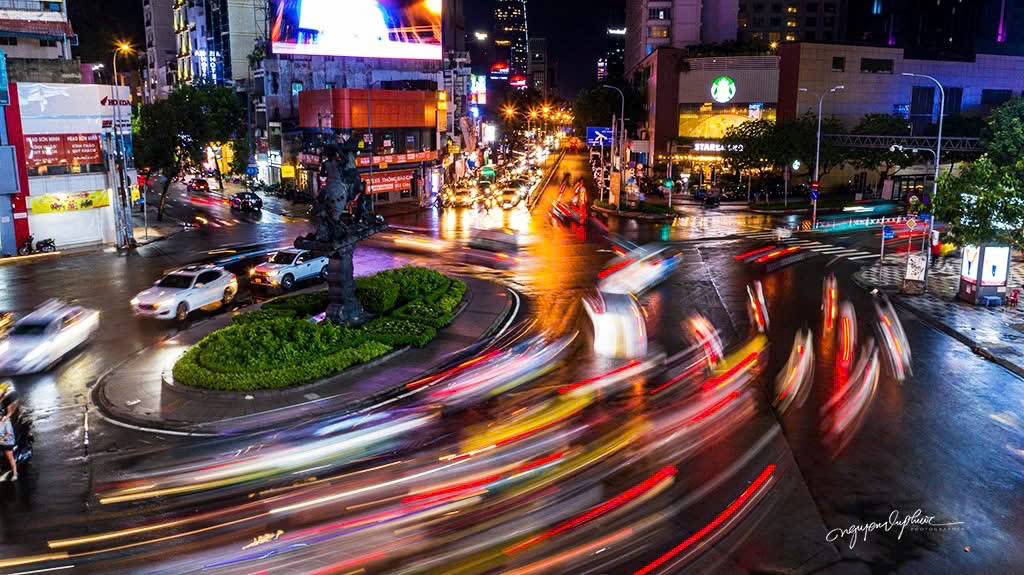
Traffic lights and motorbike headlights create glowing lines. Long exposures transform the city into a river of color.
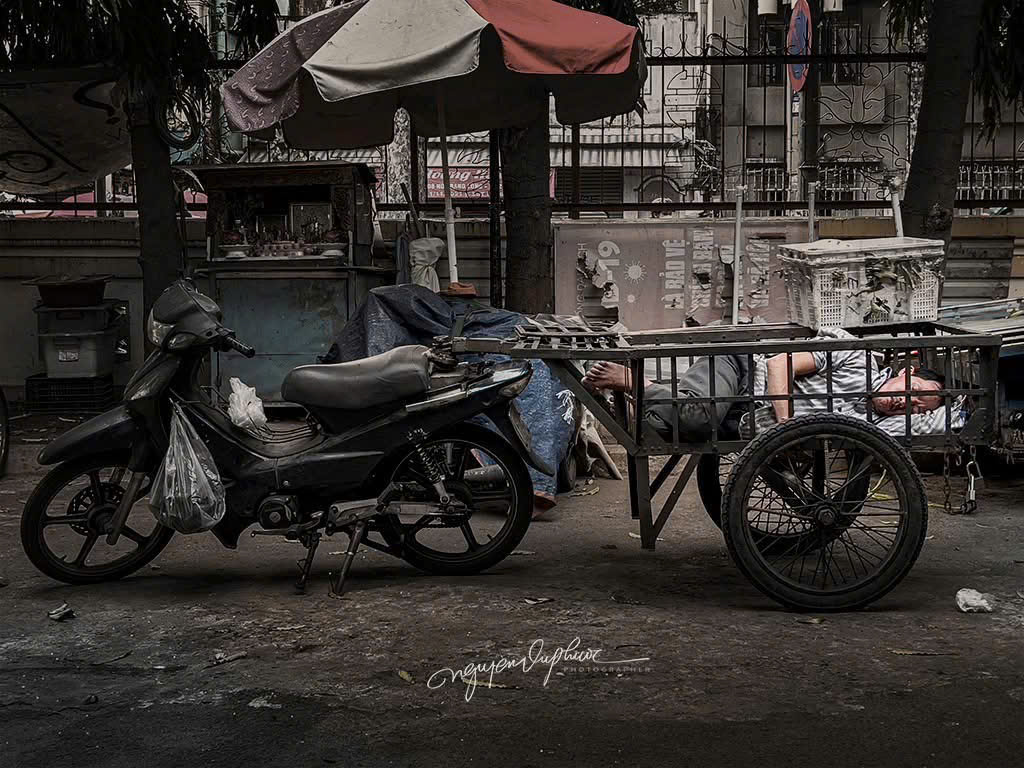
Human stories
A mother holding her child on the back of a bike. A worker resting on the curb. A couple sharing a quiet moment at a red light. These small details build emotional storytelling images.
Metro stations
Clean lines, modern structures, and the contrast between urban design and local commuters offer fresh angles in both Saigon and Hanoi.
For Longer Stays and Wanderers
Many visitors who stay longer begin to understand the daily rhythm of Vietnam’s streets. They learn which roads stay quiet at certain hours, how neighborhoods change throughout the day, and how to navigate both modern transport and traditional routes.
This is where exploration becomes deeper and photography becomes richer. To support long stay travelers, our E-books provide guidance on moving around Saigon and other cities, recommended photography spots, cultural tips, and complete travel insights.
Final Thoughts
Vietnam’s traffic may surprise you at first, but it quickly becomes part of the experience. It is loud, alive, and full of stories waiting to be captured. Whether you are on a motorbike, inside a metro train, walking across a busy junction, or photographing from a bridge, this movement becomes a window into real Vietnamese life.
Once you understand the flow, you understand the heartbeat of the country. And from that moment, Vietnam becomes not only a place you visit but a place you truly see.