
Understanding the Vietnamese Language and Key Phrases
Vietnam, located in Southeast Asia, has a rich and unique culture, and its language—Vietnamese—plays a central role in shaping the country’s identity. Whether you’re planning to visit, work, or connect with Vietnamese speakers, understanding the basics of the Vietnamese language and knowing some key phrases can greatly enhance your experience. This article provides an overview of the Vietnamese language, its structure, and essential key phrases to help you get started.
Overview of the Vietnamese Language
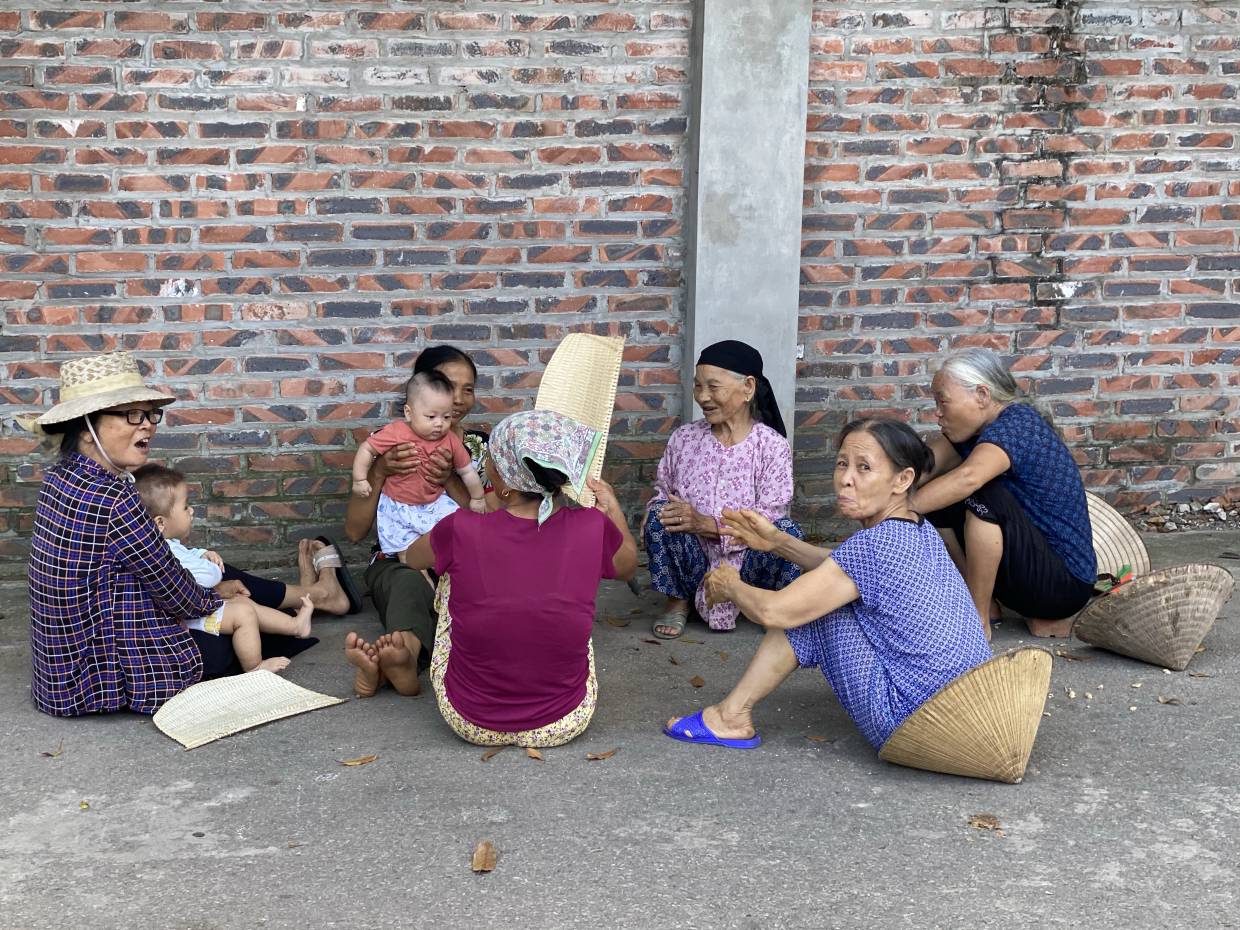
Vietnamese, or Tiếng Việt, is the official language of Vietnam and is spoken by over 90 million people worldwide. It belongs to the Austroasiatic language family, which also includes Khmer (Cambodian) and other languages spoken in Southeast Asia. Although it shares some linguistic features with its regional neighbors, the Vietnamese language is distinct in many ways.
The Alphabet and Writing System
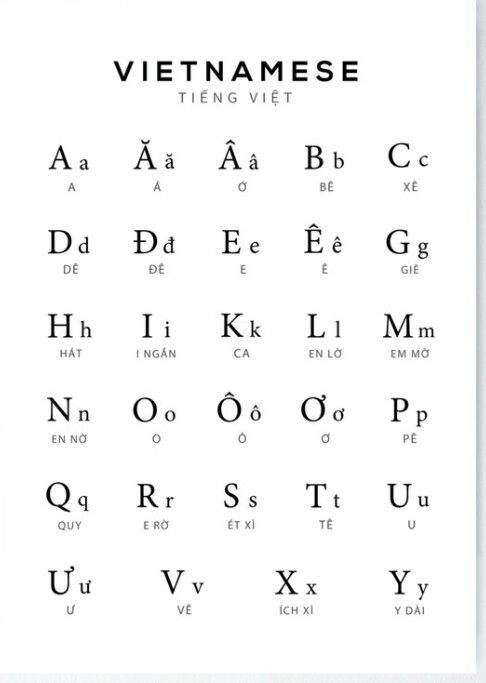
Vietnamese uses the Latin alphabet, introduced by French missionaries in the 17th century. This alphabet consists of 29 letters, which are:
A, Ă, Â, B, C, D, Đ, E, Ê, G, H, I, K, L, M, N, O, Ô, Ơ, P, Q, R, S, T, U, Ư, V, X, Y.
The main difference between the Vietnamese alphabet and the standard Latin alphabet is the presence of several accented letters (such as ă, â, ê, ô, and ơ) that indicate different tones or vowel sounds.
Tonal Nature of Vietnamese
One of the most distinctive features of the Vietnamese language is that it is tonal. This means that the meaning of a word can change depending on the tone with which it is pronounced. There are six tones in Vietnamese, each represented by a diacritical mark above or below the vowel. These tones are:
- Level tone (ngang) – no diacritical mark (e.g., ma meaning "ghost")
- Rising tone (sắc) – marked with an acute accent (e.g., má meaning "mother")
- Falling tone (huyền) – marked with a grave accent (e.g., mà meaning "but")
- Questioning tone (hỏi) – marked with a hook (e.g., mả meaning "grave")
- Broken tone (ngã) – marked with a tilde (e.g., mã meaning "code")
- Heavy tone (nặng) – marked with a dot below the vowel (e.g., mạ meaning "rice seedling")
This tonal aspect makes pronunciation challenging for learners, as slight variations in pitch can completely alter the meaning of a word.
Basic Vietnamese Grammar
Vietnamese grammar is relatively simple compared to many other languages. Some key characteristics include:
No Verb Conjugation: Vietnamese does not have verb conjugation for tense, person, or number. Instead, temporal information is conveyed using time markers like "hôm qua" (yesterday), "hôm nay" (today), or "ngày mai" (tomorrow).
No Plurals: There is no grammatical plural in Vietnamese. The context or a number word is used to specify whether something is singular or plural.
Word Order: The sentence structure follows a Subject-Verb-Object (SVO) pattern, similar to English. For example: "Tôi ăn cơm" (I eat rice).
Pronouns: Vietnamese has different pronouns based on the speaker's relationship to the person being addressed. For example, there are distinct words for "you" depending on whether the speaker is addressing someone older, younger, or of the same age.
Key Vietnamese Phrases for Everyday Use
Learning a few key phrases can go a long way in making communication easier and more enjoyable in Vietnam. Here are some common Vietnamese phrases for beginners:
Greetings
- Chào bạn: Hello
- Xin chào Hello (formal)
- Cảm ơn: Thank you
- Xin cảm ơn: Thank you (formal)
- Không có gì: You're welcome
- Tạm biệt: Goodbye
- Chúc ngủ ngon: Good night
- Bạn khỏe không: How are you?
- Tôi khỏe, cảm ơn: I’m fine, thank you
- Vâng: Yes
- Không: No
Polite Expressions
- Xin lỗi: Sorry / Excuse me
- Làm ơn: Please
- Có thể giúp tôi không: Can you help me?
- Rất tiếc: I’m sorry / That’s unfortunate
Useful Travel Phrases
- Bao nhiêu tiền: How much is it?
- Đây là đâu: Where is this?
- Tôi muốn đi đến ... : I want to go to ...
- Bạn có thể nói tiếng Anh không: Can you speak English?
- Nhà vệ sinh ở đâu: Where is the bathroom?
- Tôi bị lạc: I’m lost
- Có Wifi không: Is there Wi-Fi?
Dining and Shopping
- Tôi muốn ăn ... : I want to eat ...
- Bạn có món ăn đặc biệt gì không: Do you have any specialties?
- Cảm ơn, tôi đã đủ rồi: Thank you, I’m full
- Có thể thanh toán bằng thẻ tín dụng không: Can I pay by credit card?
- Tôi muốn mua cái này: I want to buy this
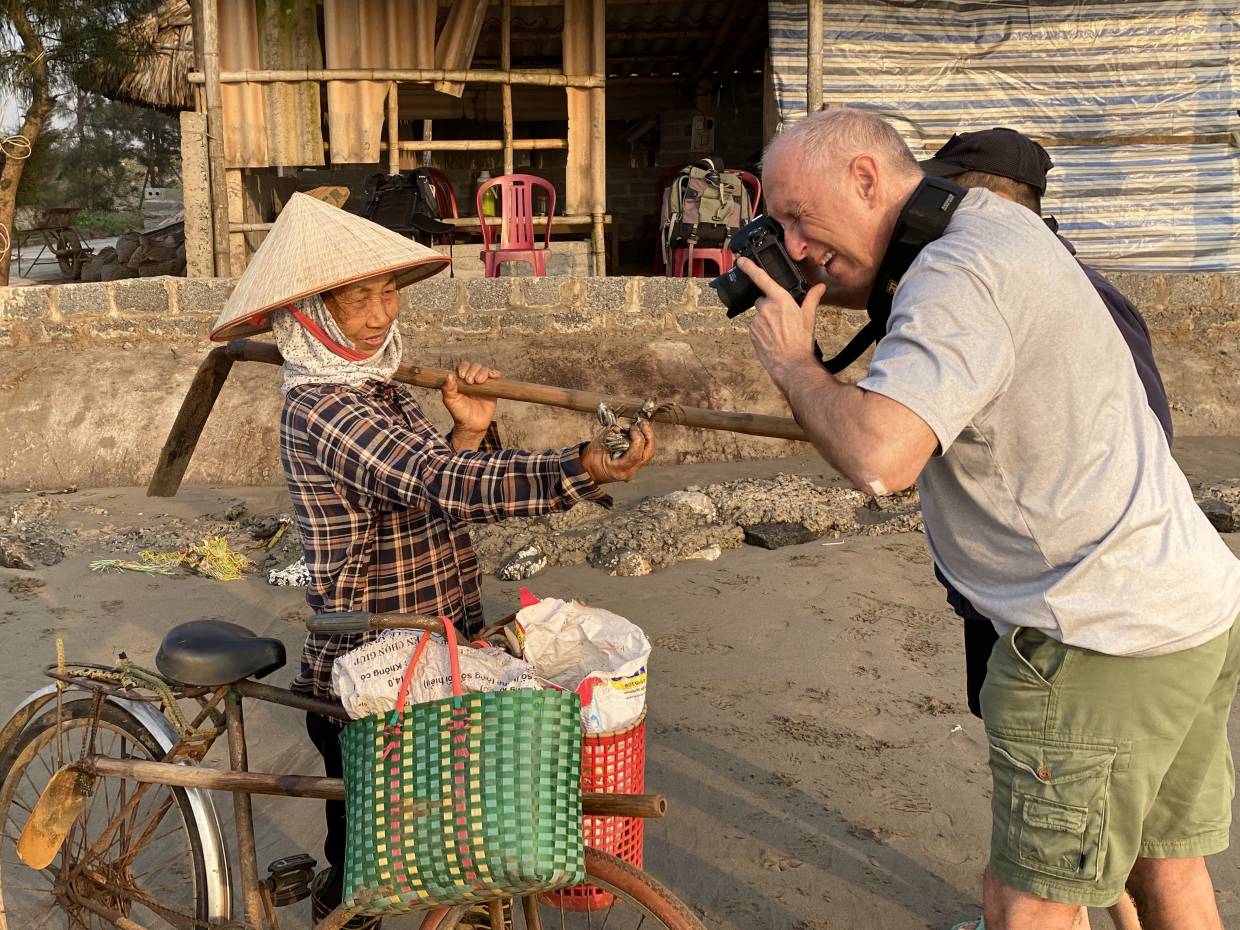
Understanding the Vietnamese language can enrich your experience in Vietnam, whether you're traveling, working, or building connections with local people. While Vietnamese may present some challenges—such as its tonal nature and unique sentence structure—learning some basic phrases and familiarizing yourself with the alphabet can make a big difference.
By mastering a few essential words and expressions, you’ll be able to navigate daily life, make polite conversation, and immerse yourself more deeply in Vietnam’s vibrant culture.
As with any language, practice and patience are key. So, don’t be afraid to try speaking Vietnamese—even if it’s just a greeting or a thank you—it will be appreciated by the locals, and you'll likely find it to be a rewarding experience.